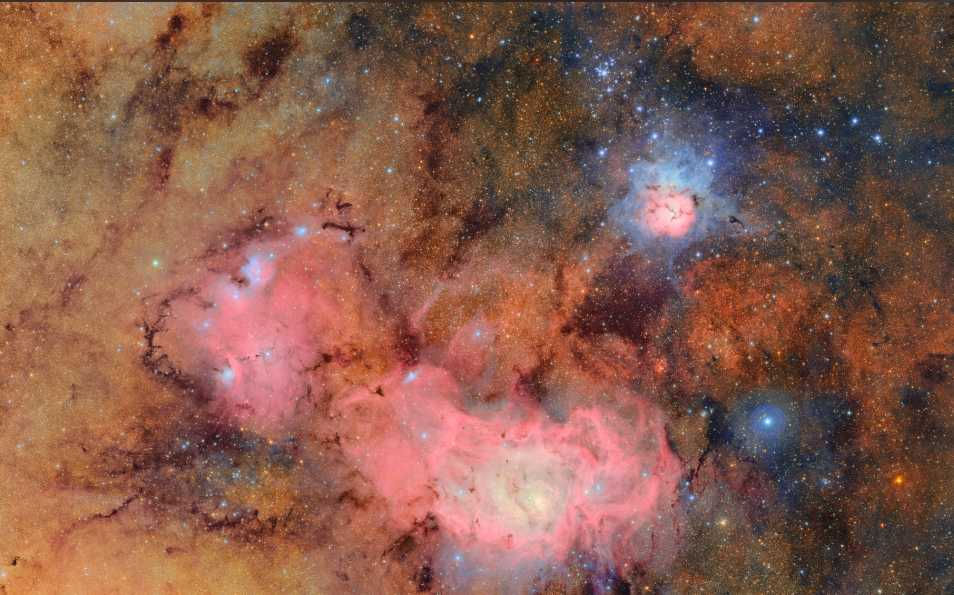
Vera C. Rubin Observatory Reveals Breathtaking Sagittarius Starfield Near Galactic Core
The Vera C. Rubin Observatory, a joint project of the NSF and DOE, has released one of its first images: a 4-degree-wide starfield spanning Sagittarius, showcasing the crowded stellar backdrop toward the Milky Way’s core. The snapshot captures iconic nebulae and clusters, including Messier 8 (the Lagoon Nebula) and Messier 20 (the Trifid Nebula), in stunning detail.
1 minute read
Does a Spiral Galaxy Hide a Mini-Spiral in Its Core? M61 Reveals Cosmic Nesting Dolls
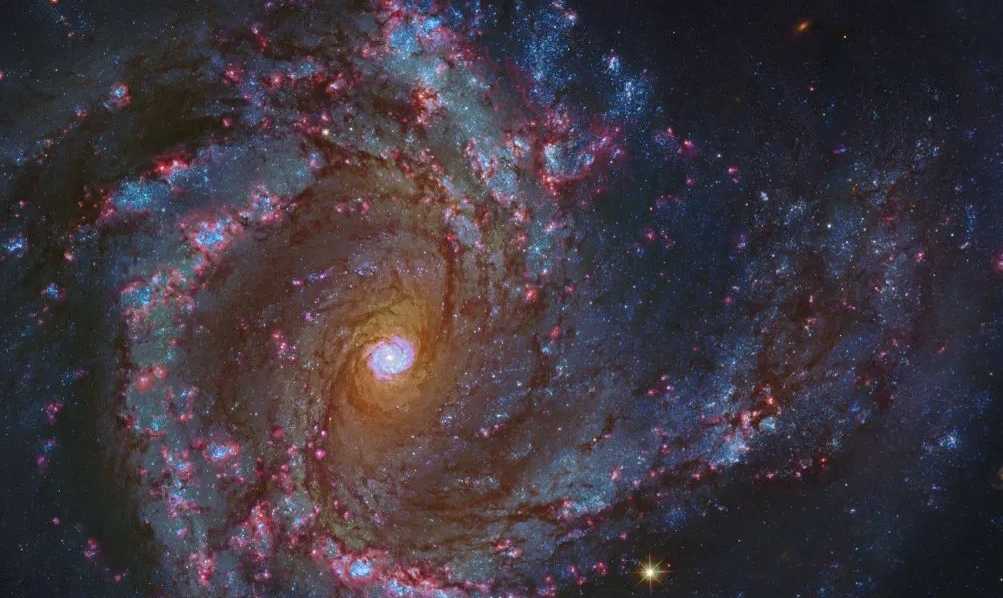
The spiral galaxy Messier 61 (M61) defies expectations with a surprising feature: a swirling "mini-spiral" structure at its core. This composite image—combining data from the Hubble Space Telescope, ESO’s Very Large Telescope, and ground-based observatories—shows M61’s grand spiral arms and a vibrant core that resembles a standalone spiral galaxy. Located 55 million light-years away in the Virgo Cluster, this barred spiral (NGC 4303) exemplifies how galactic cores can host intricate substructures mirroring their larger forms.
2 minute read
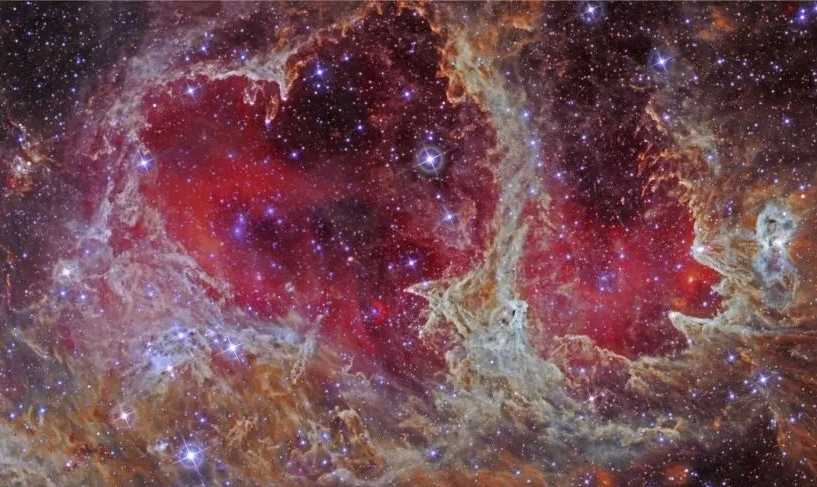
The Cosmic Crucible: How Stars Are Born—Insights from W5's Infrared Portrait
The Core Processes of Star Formation: Gravity and Gas in Cosmic Ballet Stars emerge from dense molecular clouds (composed mainly of hydrogen molecules and dust), with their formation unfolding in critical stages:
3 minute read
Mars' Mysterious 'Blueberries': How Did These Iron-Rich Spheres Form?
In 2004, NASA's Opportunity rover discovered thousands of gray, iron-rich spheres on Mars, nicknamed "blueberries." These 4-mm-wide balls littered rocks near the landing site, puzzling scientists until the rover found a depression—dubbed the "Berry Bowl"—packed with the spheres, captured on the 48th Martian day of the mission.
1 minute read

Overlooked Cosmic Jewel: The Stunning Spiral Galaxy NGC 3521
Just 35 million light-years from Earth in Leo, the springtime northern constellation, lies NGC 3521—a bright spiral galaxy visible through small telescopes yet often overshadowed by amateur astronomers’ focus on Leo’s more famous spirals, M66 and M65. This cosmic portrait reveals its overlooked splendor, hiding a trove of galactic secrets in its swirling arms.
1 minute read
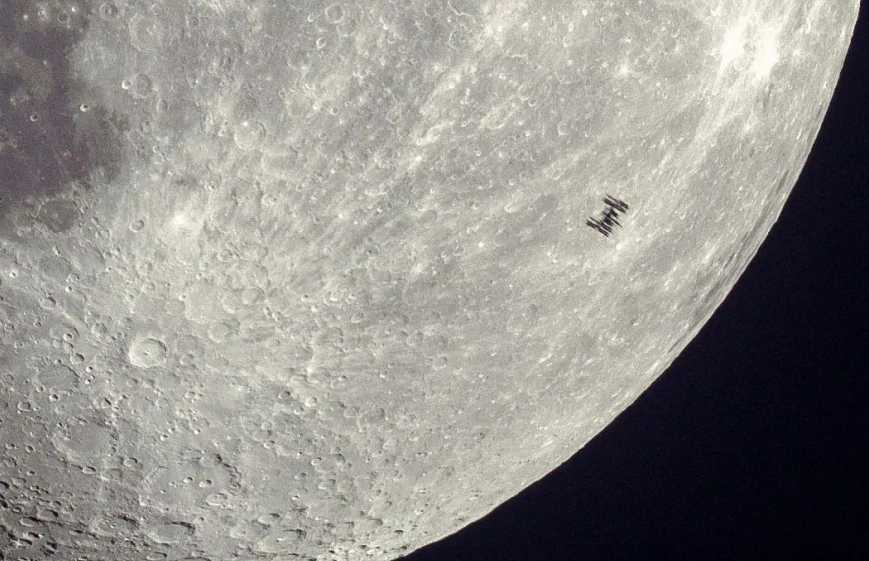
The Mysterious Spot on the Moon: It's the International Space Station
What caused that strange spot on the Moon? The answer is the International Space Station (ISS). In 2019, this orbiting space platform was precisely captured in front of a crescent Moon. Taken in Palo Alto, California, the featured photo used a 1/667-second exposure, while the ISS took about half a second to cross the lunar face.
1 minute read
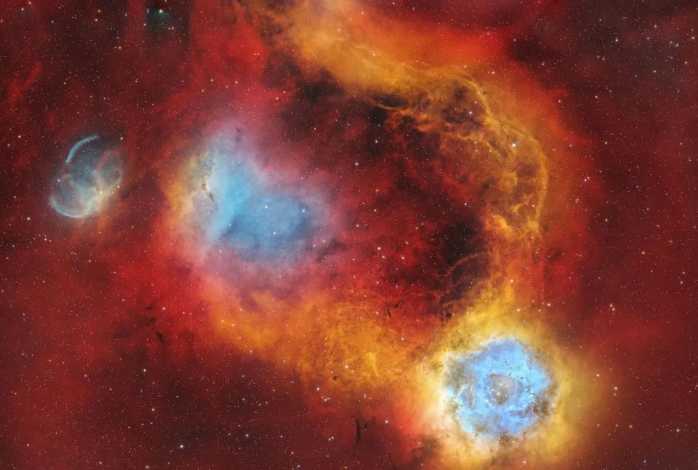
The Real Rosette Nebula: Unveiling Cosmic Petals in Monoceros
Is that red petal-like cloud the Rosette Nebula? The famous Rosette Nebula actually lies in the lower-right of this image, appearing blue-white and connected by golden filaments to other nebulae. The central upper "petals" are a visual mimic—true cosmic blooms reveal themselves in this deep-sky close-up, where infrared red exposures unlock hidden floral structures around NGC 2237.
1 minute read
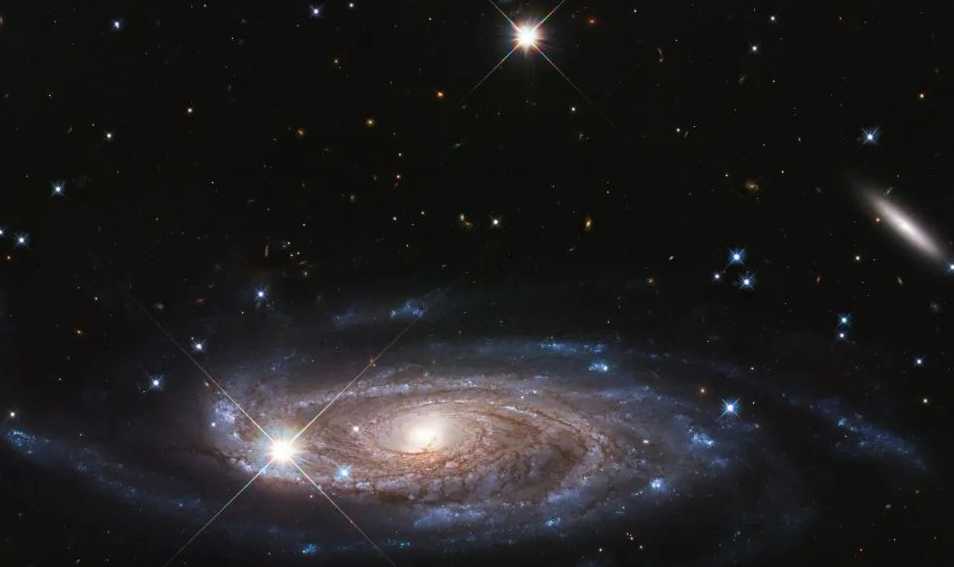
UGC 2885: The Colossal Galaxy 800,000 Light-Years Across
In this Hubble Space Telescope image, foreground stars with bright stellar spikes in Perseus lie within the Milky Way, while the focus reveals UGC 2885—a giant spiral galaxy 232 million light-years from Earth. Stretching 800,000 light-years (eight times the Milky Way’s diameter), it hosts nearly 100 trillion stars—10 times our galaxy’s population—making it a pivotal case study for how galaxies achieve colossal sizes.
1 minute read
The Brightest Stars in the Night Sky: IAU-Named Icons and Their Ancient Tales
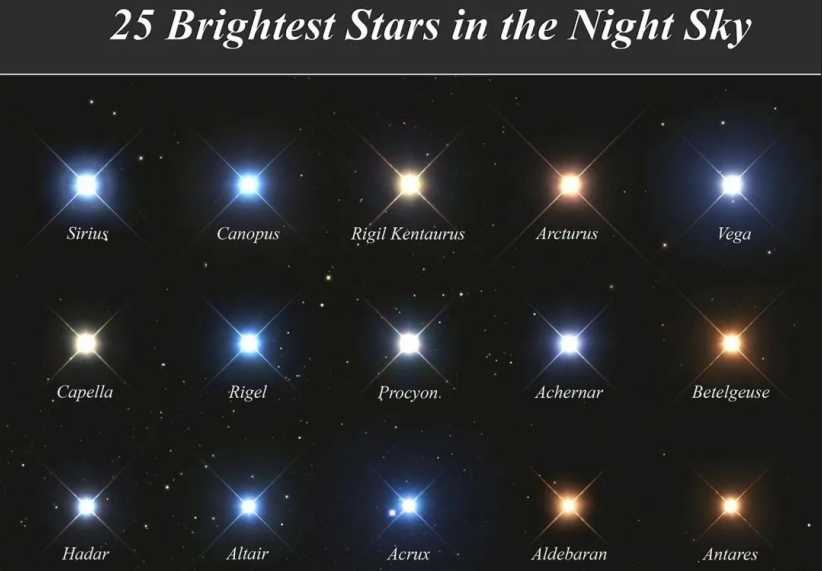
For millennia, humanity has named the brightest stars, weaving their light into myths and calendars. Today, the International Astronomical Union (IAU) standardizes these names to unite global science, but each moniker still holds cultural treasures. Here’s a journey through the 25 brightest stars—by apparent magnitude—with their IAU-designated names and the stories behind them.
2 minute read
Saturn’s Enceladus: Does an Ocean beneath Ice Harbor Life?
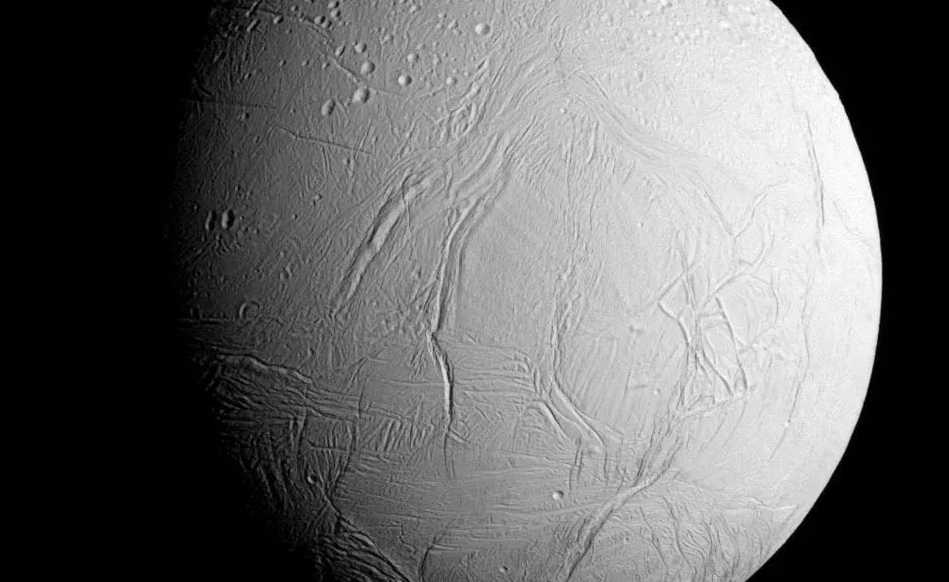
Enceladus, Saturn’s icy moon, harbors a subsurface ocean beneath tiger-stripe fractures that erupt icy particles into space. These geysers form a dense ice cloud over the south pole, feeding Saturn’s faint E ring. The Cassini spacecraft (2004–2017) provided definitive evidence, capturing this true-color, high-resolution image during a close flyby, revealing shadowed ice chasms and active vents.
1 minute read
First-Ever Capture of Supernova Remnant G115.5+9.1: A Cosmic Duo Named After Mythological Monsters
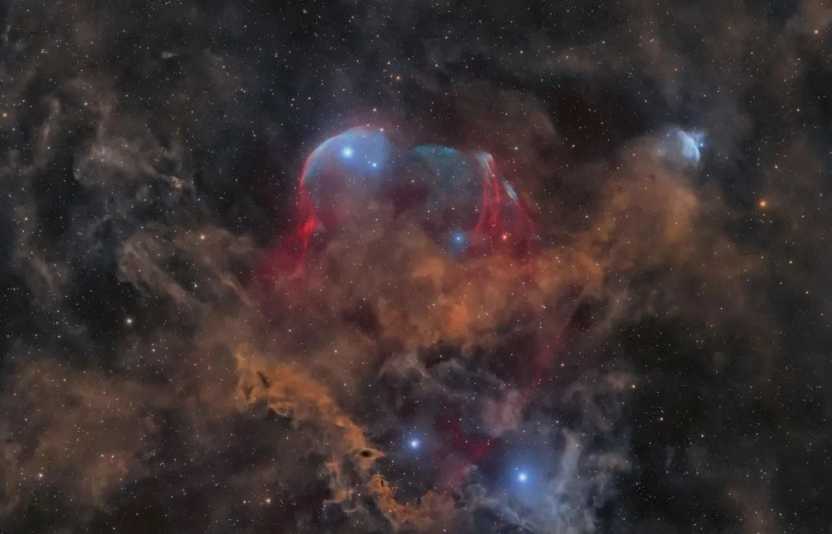
A team of amateur astrophotographers has uncovered the faint remains of a long-dead massive star, capturing the first image of supernova remnant G115.5+9.1—dubbed "Scylla"—in the constellation Cepheus (the Ethiopian king of myth). The discovery, hidden in sky survey data, reveals a glowing patch where hydrogen atoms emit red light and oxygen atoms shine in faint blue, marking the aftermath of a stellar explosion that likely occurred thousands of years ago.
1 minute read
The Butterfly Nebula (NGC 6302): A Fiery Cosmic Chrysalis in Scorpius
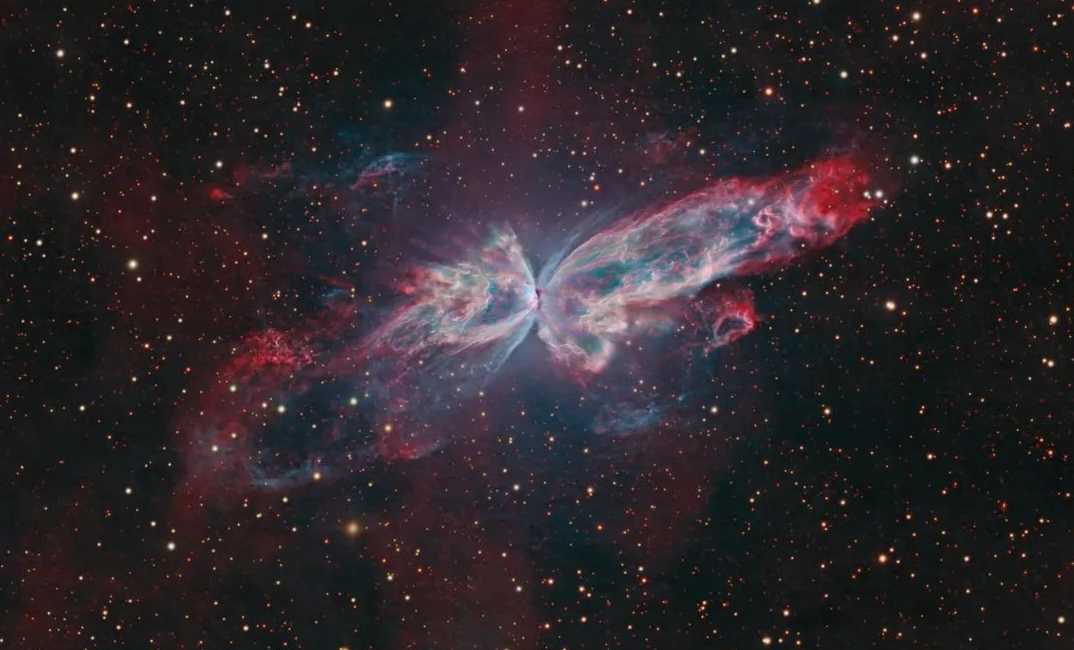
NGC 6302, a planetary nebula nicknamed the "Butterfly Nebula," lives up to its floral-insect moniker with wing-like gas plumes spanning 3 light-years. Located 4,000 light-years away in Scorpius, this stellar corpse showcases the dramatic final act of a massive star—now a 250,000°C central star evolving into a white dwarf, its ultraviolet radiation ionizing the surrounding nebula into a kaleidoscopic display.
1 minute read
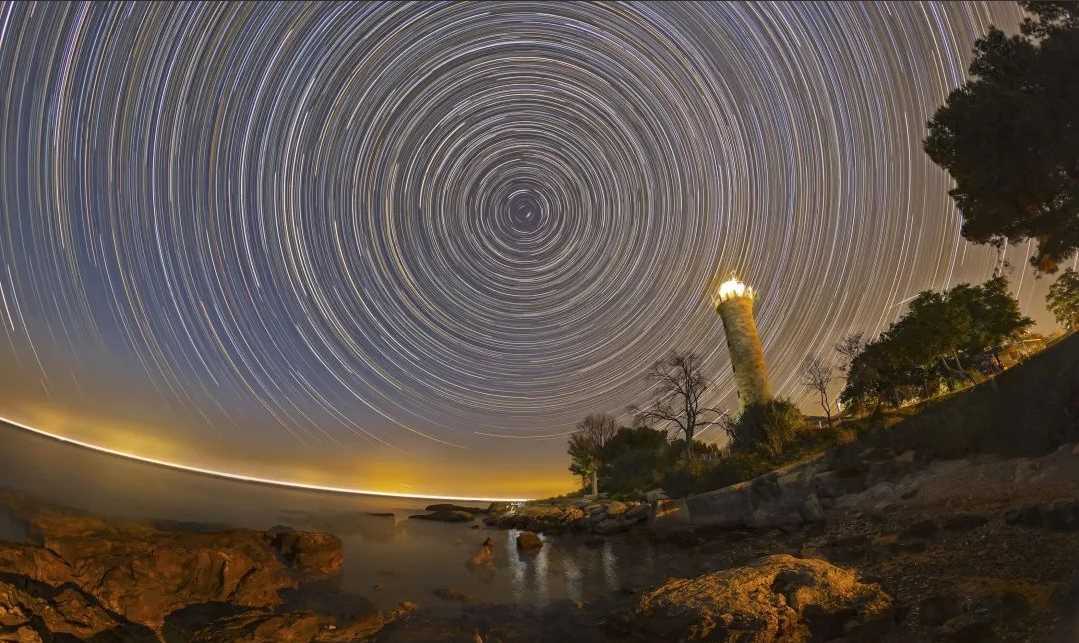
Savudrija Lighthouse and Celestial Star Trails: A Timeless Navigation Portrait
The historic Savudrija Lighthouse shines along the northern coast of Istria Peninsula in this masterful night-sky composition. Built in the early 19th century, the beacon has guided Adriatic sailors for centuries, its beam contrasting with the ancient navigational icon above: Polaris, the North Star. In the image, Alpha Ursae Minoris traces the shortest arc around the North Celestial Pole—the cosmic pivot of Earth’s axis—at the center of concentric star trails.
1 minute read
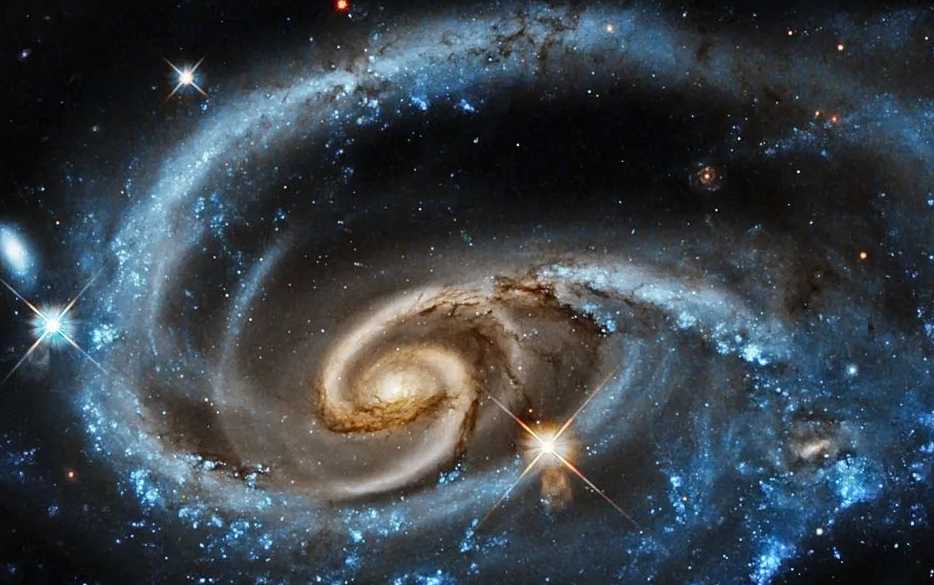
Arp 273: A Cosmic Love Story of Colliding Galaxies in Andromeda
What’s happening to this spiral galaxy? The answer lies in its violent tango with a neighboring dwarf galaxy. At the center of this image, UGC 1810 forms the Arp 273 galaxy pair with its collision partner, showcasing a cosmic drama where gravity reshapes stellar landscapes. The most striking feature—UGC 1810’s outer blue ring—betrays the chaos of their gravitational battle, while the smaller companion galaxy appears distorted in the embrace.
1 minute read
Sextans A: The Cosmic Underdog Where Stars Bloom in Ambery Clusters
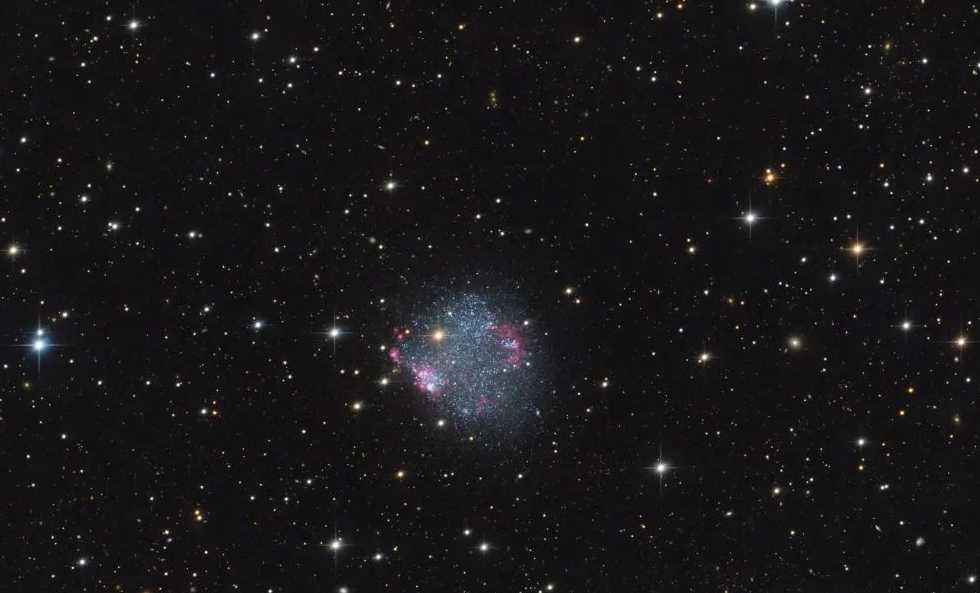
While grand spiral galaxies steal the limelight with symmetric arms and glowing star nurseries, the irregular dwarf galaxy Sextans A weaves its own stellar saga in the cosmic periphery. Just 5,000 light-years across, this galaxy hosts young star clusters and star-forming regions like amber-like clumps suspended in space, blooming 4.5 million light-years away in the constellation Sextans. As a sentinel on the Local Group’s fringe, it stands distant from the galactic family including the Andromeda Galaxy and the Milky Way.
1 minute read