
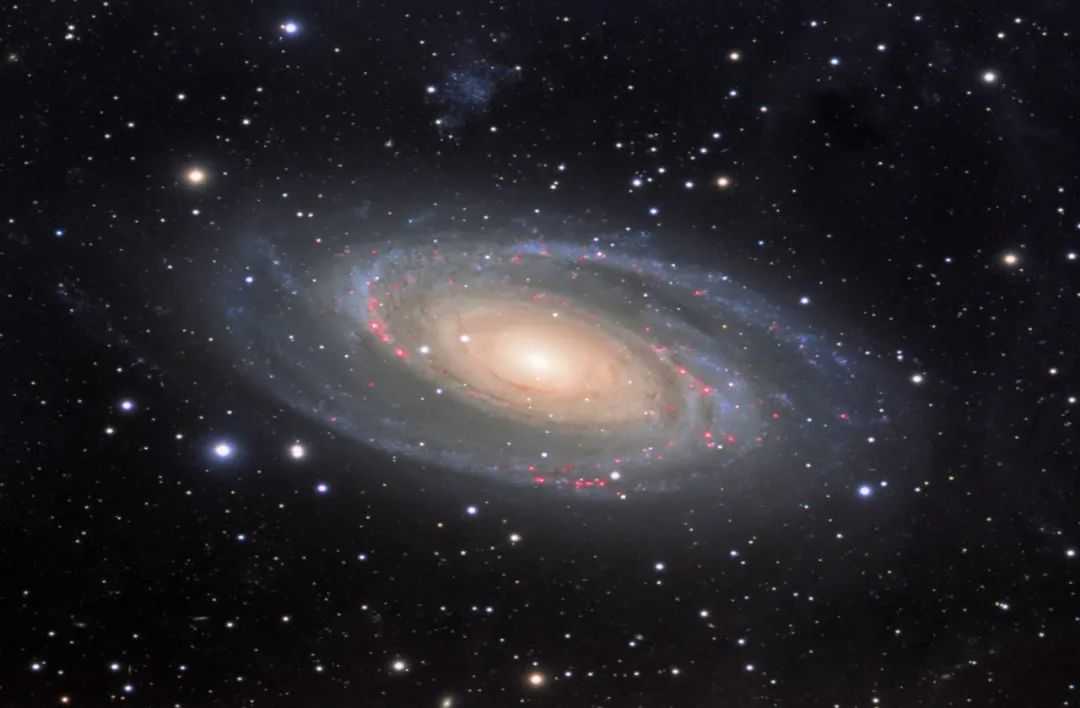
Galaxies Near the Big Dipper: A Cosmic Showcase in Ursa Major
The region around the Big Dipper (Ursa Major) is a treasure trove of distant galaxies, offering astronomers and stargazers a glimpse into the diverse architecture of the universe. Among the most notable are M81 (Bode’s Galaxy), M82 (the Cigar Galaxy), M51 (the Whirlpool Galaxy), and M101 (the Pinwheel Galaxy), each distinct in shape, size, and cosmic story.
2 minute read
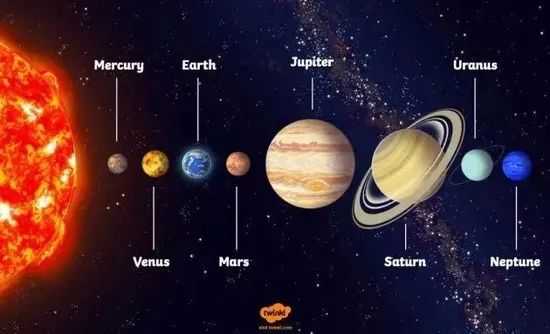
The Solar System's Planetary Trio: Terrestrial, Gas, and Ice Giants
While the solar system is home to just eight planets, they are remarkably diverse, categorized into three distinct groups based on composition and structure. This classification—terrestrial planets, gas giants, and ice giants—reveals the dynamic processes that shaped their formation and highlights the vast range of environments within our cosmic neighborhood.
2 minute read
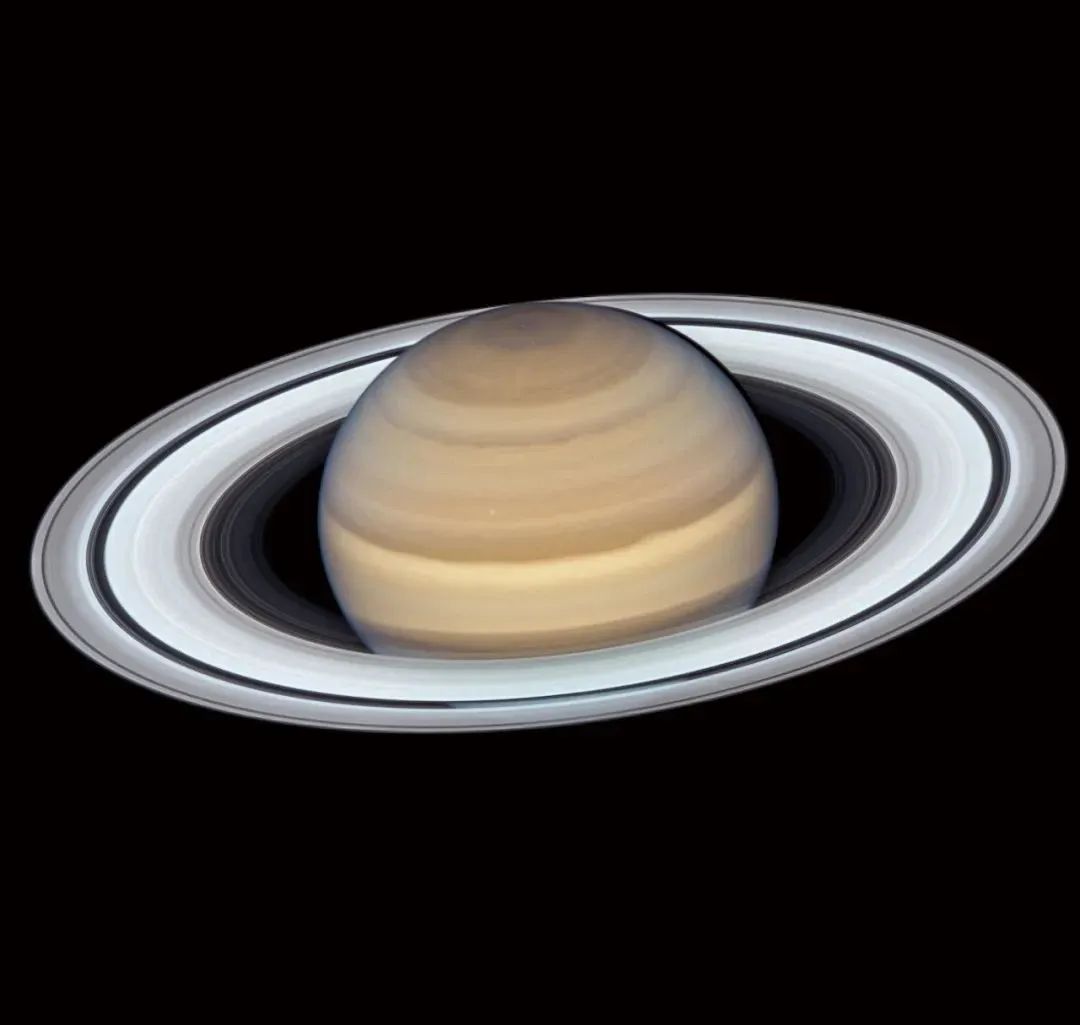
Hubble's Wide Field Camera Captures Saturn's Striking Atmospheric Stripes
The Hubble Space Telescope’s Wide Field Camera has provided a stunning new view of Saturn, revealing the gas giant’s iconic atmospheric stripes in unprecedented detail. This latest image showcases the planet’s dynamic cloud patterns, offering astronomers and space enthusiasts a vivid reminder of the complex meteorology at work on this distant celestial giant.
2 minute read
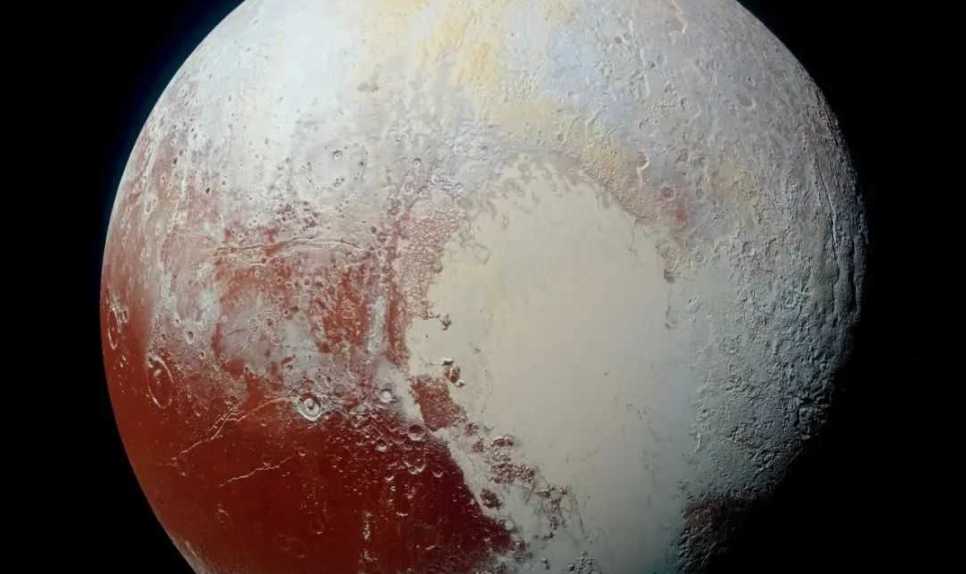
New Horizons' Near-Infrared Image Unveils Pluto's Diverse Surface
A near-infrared image of Pluto captured by NASA's New Horizons spacecraft offers unprecedented insights into the dwarf planet's complex surface. By combining this infrared data with visible-light imagery, scientists can discern the diverse color variations and material types that paint Pluto's icy landscape, revealing clues about its geological history and atmospheric interactions.
1 minute read
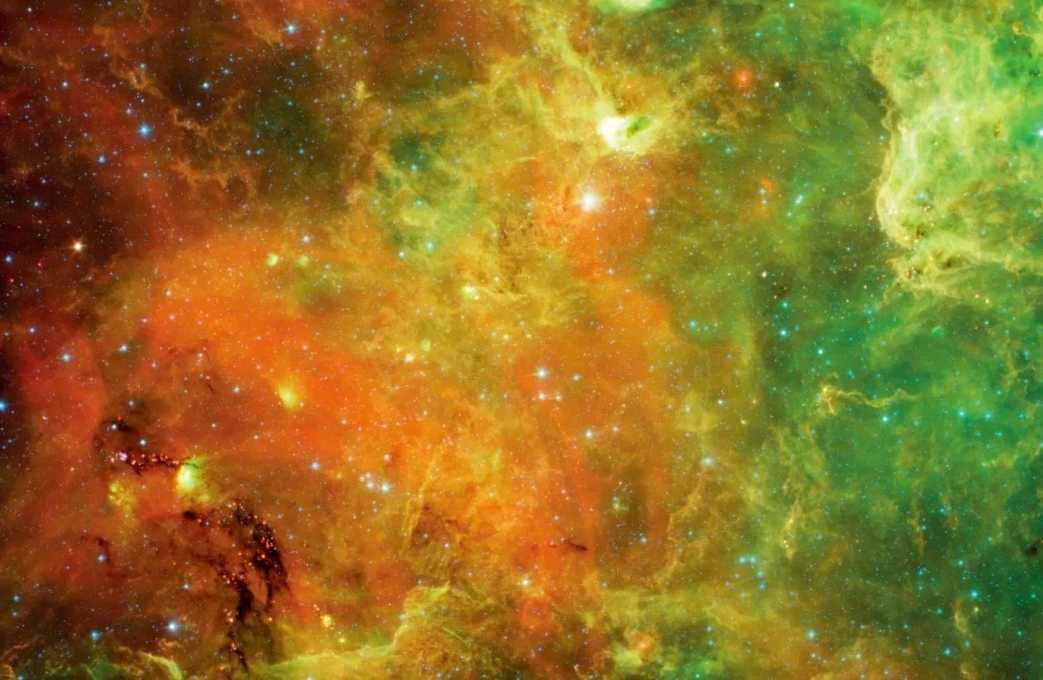
Spitzer’s Infrared View Unveils the Hidden Depths of the North America Nebula (NGC 7000)
A striking image from NASA’s Spitzer Space Telescope captures the North America Nebula (NGC 7000) in infrared light, revealing a cosmic landscape brimming with massive gas clouds and hidden stellar nurseries. Unlike visible-light views, which often show only the nebula’s glowing outer edges, Spitzer’s infrared detectors penetrate the dense dust, exposing the complex interplay of gas, dust, and young stars within this vast stellar nursery.
2 minute read
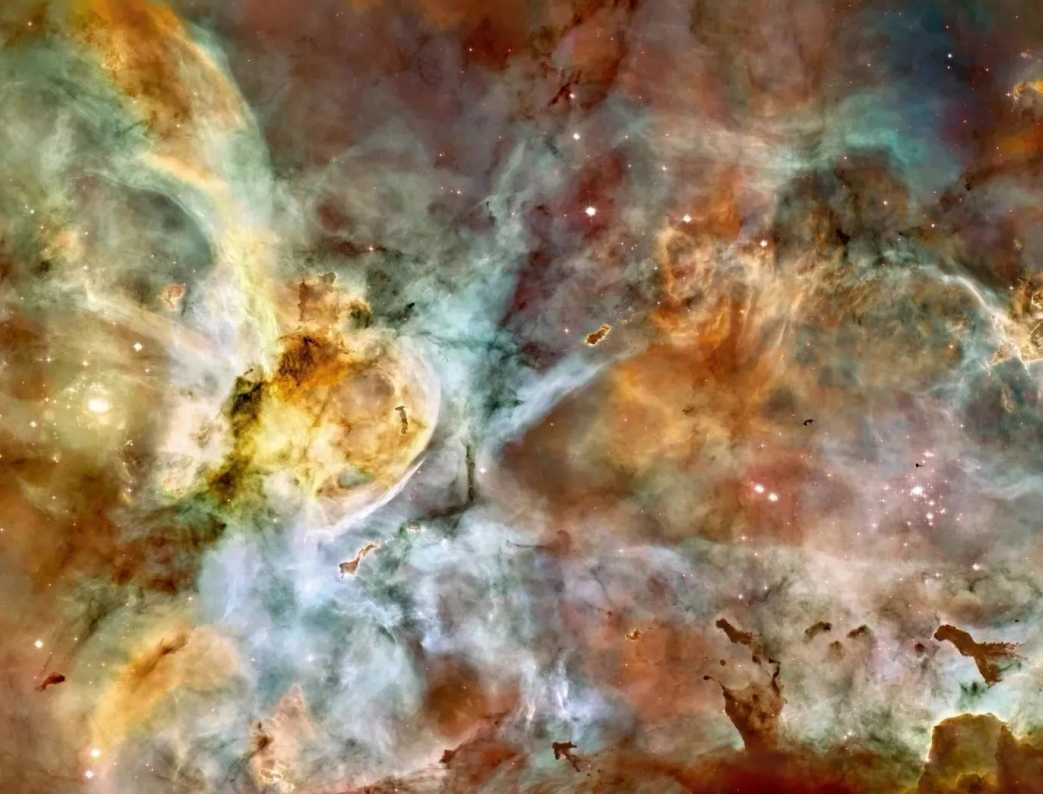
The Carina Nebula: A Massive Stellar Nursery in the Southern Sky
Located between 6,500 and 10,000 light-years from the Solar System, the Carina Nebula is a breathtaking region of cosmic activity visible exclusively from the Southern Hemisphere. Renowned as one of the Milky Way’s most dynamic star-forming regions, it serves as a cradle for some of the galaxy’s most massive and luminous stars, offering the public an opportunity to explore the extreme processes that shape stellar evolution.
2 minute read
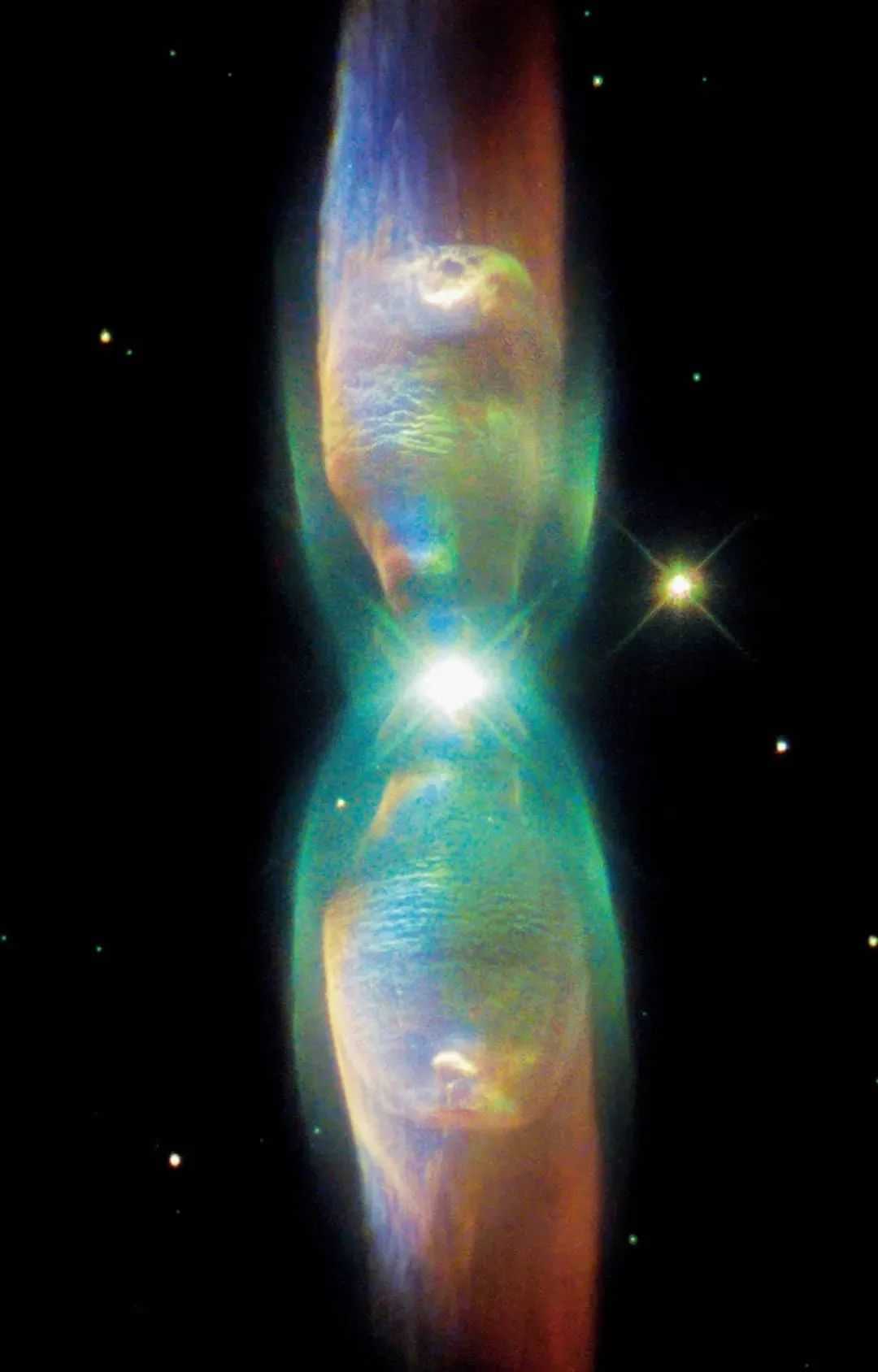
A Bipolar Planetary Nebula: The Cosmic Legacy of a Binary Star System
Deep within the cosmos lies a stunning example of stellar evolution: a bipolar planetary nebula, formed approximately 1,200 years ago as the final act of a binary star system’s life cycle. This celestial spectacle, born from the interaction between a red giant and a white dwarf, showcases the dramatic processes that shape the universe’s most intricate gaseous envelopes.
2 minute read
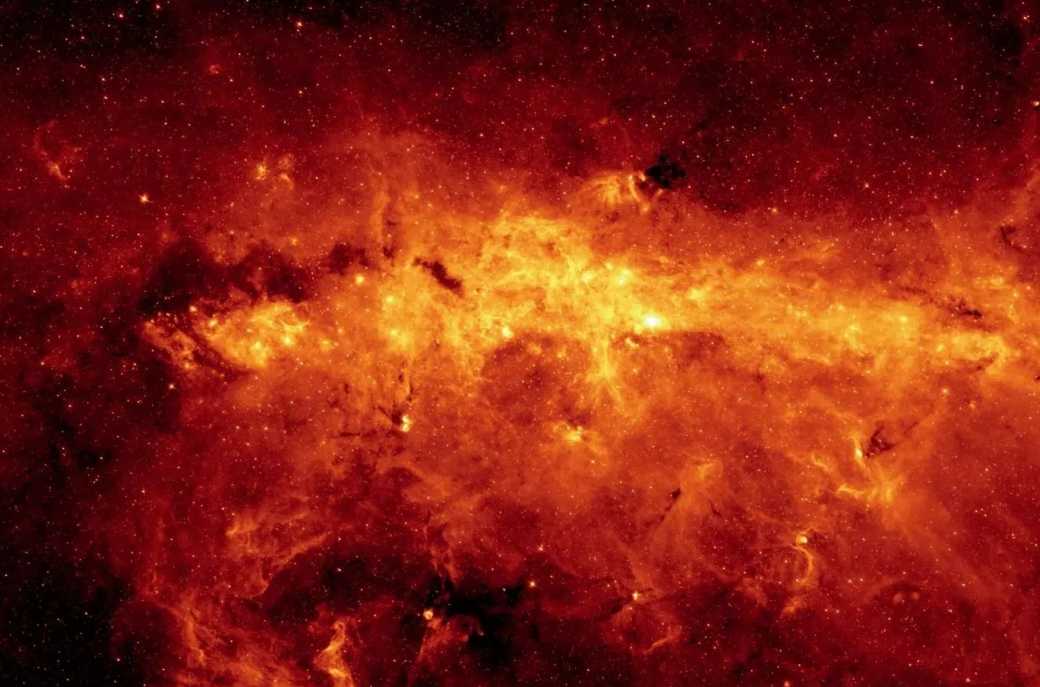
Spitzer's Infrared Glimpse into the Heart of the Milky Way
A remarkable image captured by NASA's Spitzer Space Telescope has unveiled the hidden splendor of the Milky Way's central region. In visible light, this area is veiled by thick clouds of obscuring dust and gas. However, Spitzer's infrared cameras have pierced through these obstructions, presenting a breathtaking view of the crowded galactic core.
1 minute read
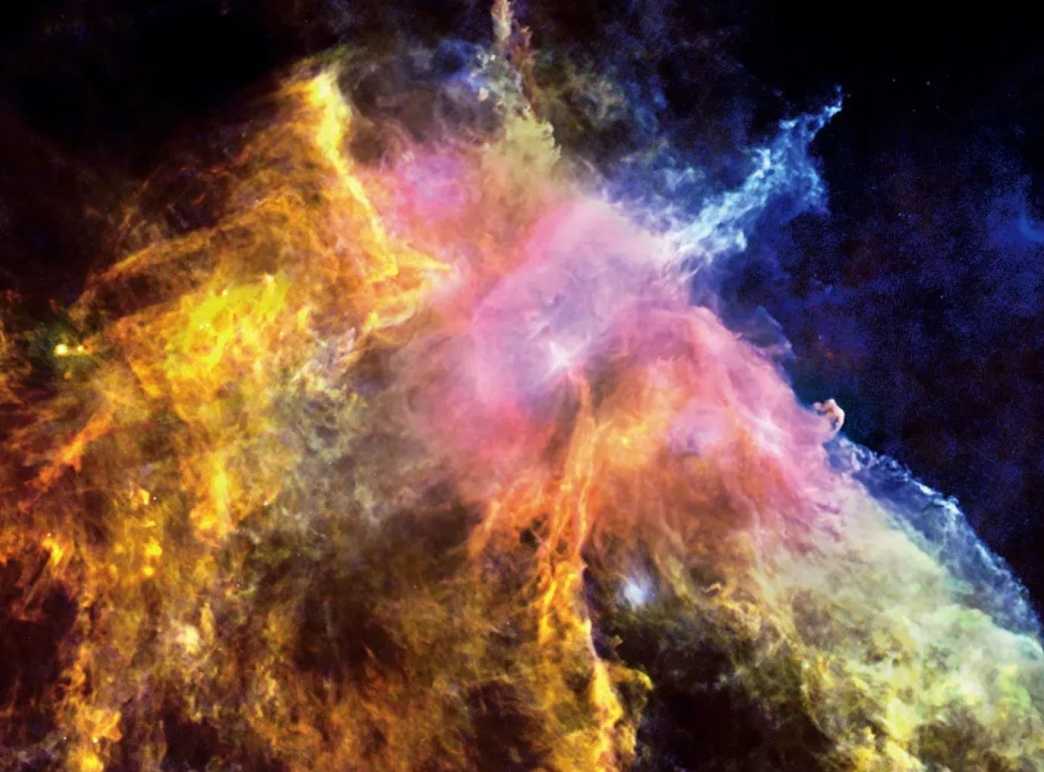
Young Stars in Orion B Molecular Cloud Heat Up the Surrounding Dust
Deep within the vast expanse of our Milky Way galaxy, a cosmic drama unfolds in the Orion B molecular cloud. Located between 1000 and 1400 light - years from our Solar System, this region is a bustling nursery for new stars. Here, young, energetic stars are hard at work, heating the surrounding dust and creating a mesmerizing display of cosmic activity.
1 minute read
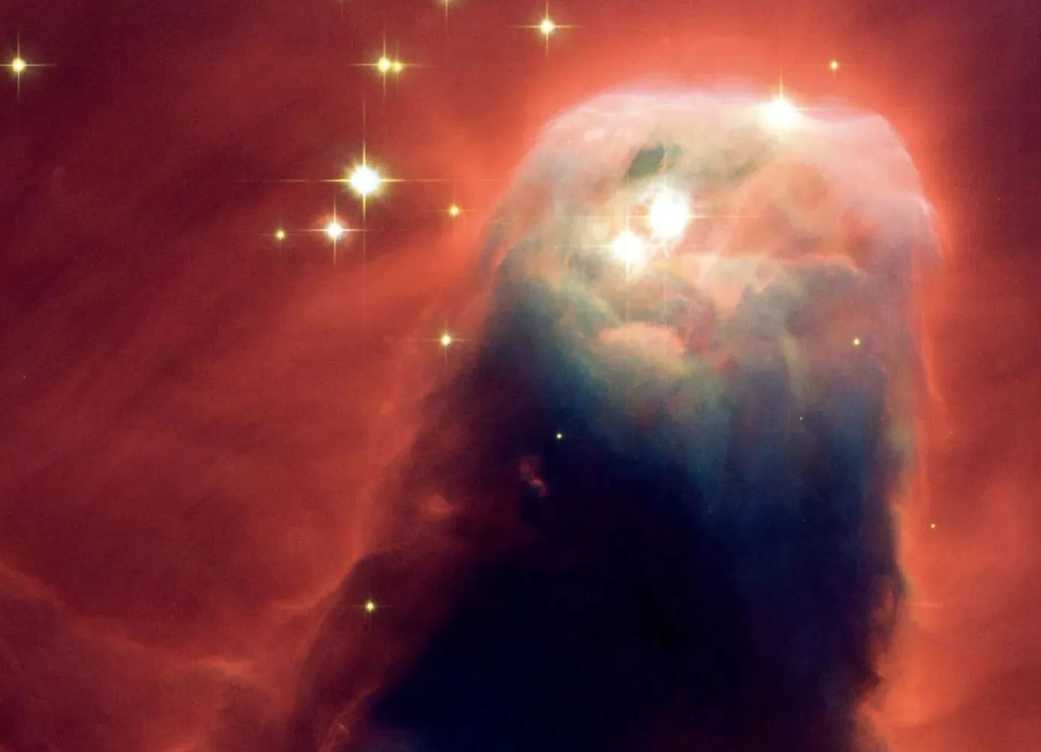
The Cone Nebula within NGC 2264 in Monoceros: A Cosmic Sculpture
Nestled in the constellation Monoceros, the Cone Nebula, part of the NGC 2264 complex, is a captivating sight. Located around 2,500 light - years from the Solar System, this nebula is a testament to the dynamic processes of star formation, with its unique shape and the energetic interplay between young stars and surrounding matter.
1 minute read
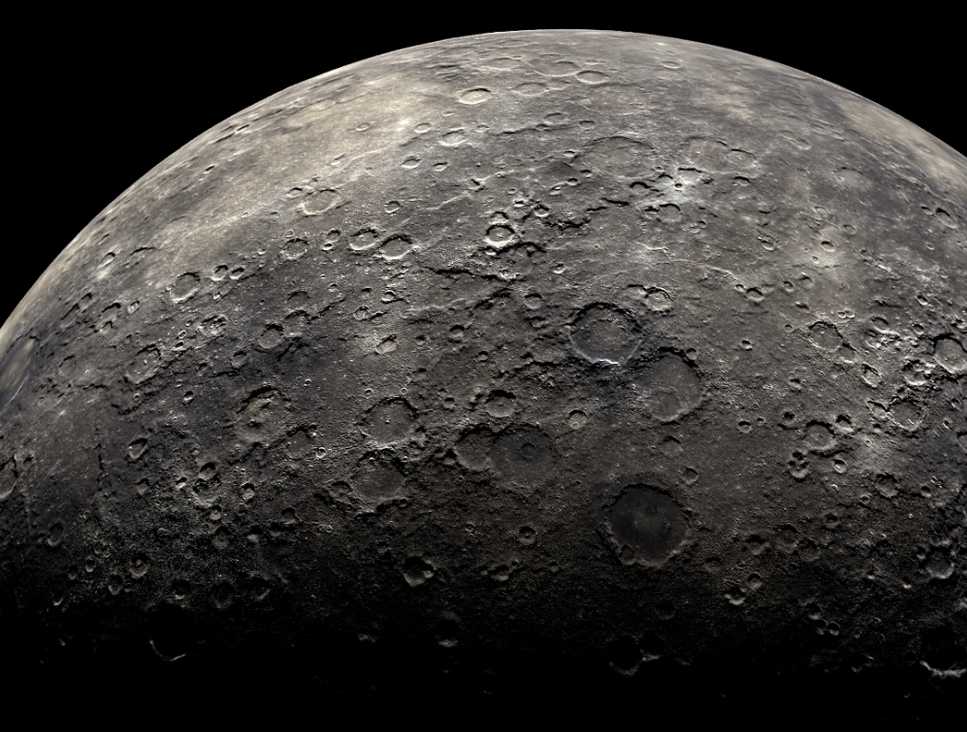
Mercury: The Solar System’s Closest and Most Enigmatic World
Mercury, the innermost planet of our solar system, orbits perilously close to the Sun, facing extreme temperatures and cosmic challenges. As the smallest of the eight planets, it stands out for its unique geological features and intriguing history, captivating astronomers with its secrets hidden beneath a heavily cratered surface.
1 minute read
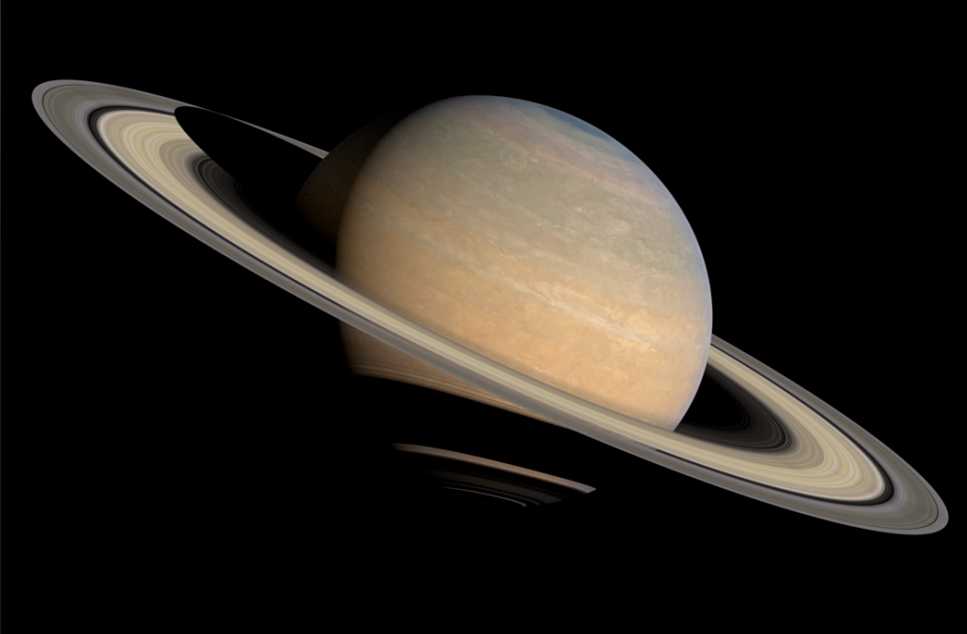
Saturn's Magnificent Ring System: A Cosmic Wonder
Saturn, the sixth planet from the Sun, is renowned for its awe - inspiring ring system that has captivated astronomers and stargazers for centuries. These rings, a complex and beautiful feature unique in our solar system, are a testament to the dynamic processes that shape planets and their surroundings.
1 minute read
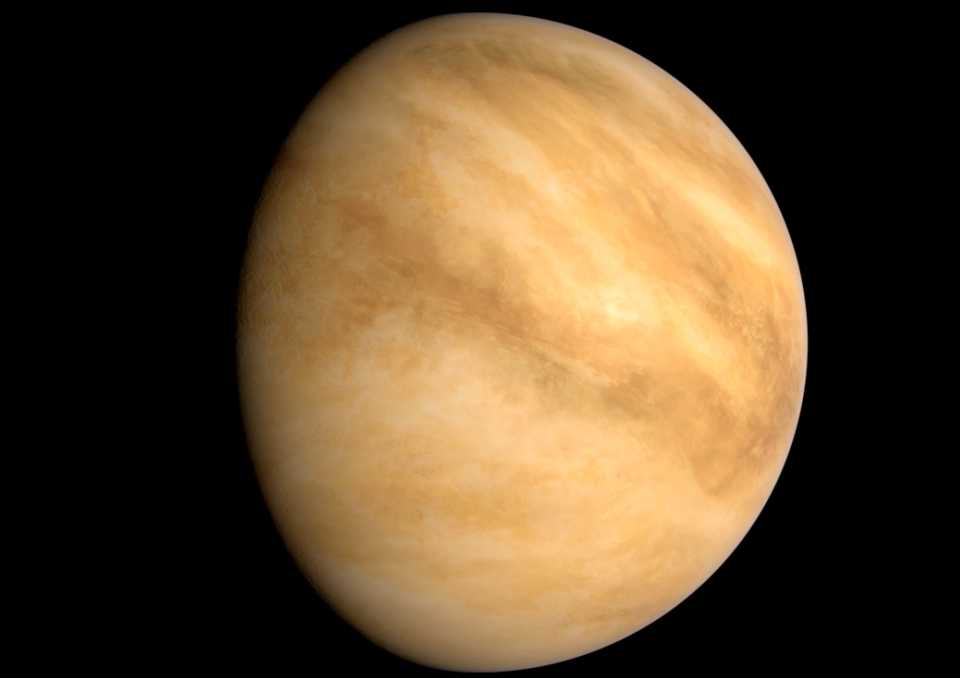
Venus: Earth's Mysterious Neighbor
Venus, often called Earth's "sister planet" due to its similar size and mass, is a world of extremes and mysteries. This second planet from the Sun has intrigued scientists and sky - watchers alike, offering a unique perspective on planetary evolution and the conditions that can shape a world.
1 minute read
Mercury: The Solar System’s Fastest and Most Extreme Planet
Mercury, the smallest and innermost planet of our solar system, defies expectations with its extreme conditions and unique orbital quirks. From its record - breaking speed to its dramatic temperature swings, this rocky world showcases the most intense environment among the planets, offering a fascinating study of the effects of proximity to the Sun.
1 minute read

Earth: The Solar System's Exclusive VIP Abode
In the vast expanse of the solar system, Earth stands out as a true VIP, the only known planet to harbor life. This unique celestial body, with its life - sustaining elements, occupies a special place in our cosmic neighborhood, captivating the attention of scientists and dreamers alike.
1 minute read