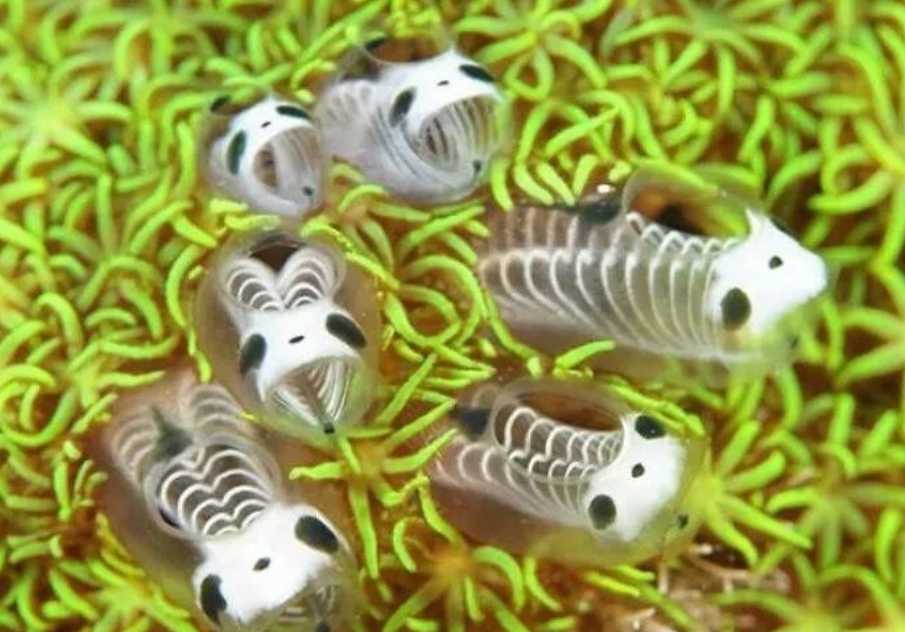
Gerres longirostris: The Long-Snouted Mojarra of Tropical Shores
Gerres longirostris, commonly known as the long-snouted mojarra or longnose jewelfish, is a distinctive species within the Gerreidae family, belonging to the order Perciformes. Inhabiting the warm, shallow waters of the Indo-Pacific region, this fish is characterized by its elongated snout and streamlined body, making it a unique and ecologically significant inhabitant of coastal and estuarine ecosystems.
2 minute read
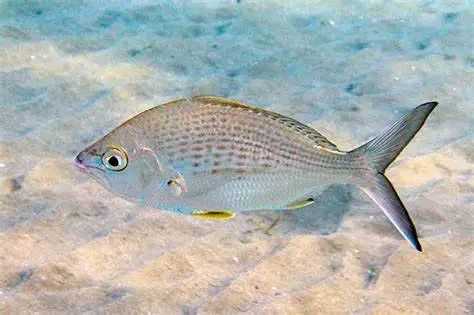
Parargyrops microstoma: The Small-Mouthed Mojarra of Shallow Seas
Parargyrops microstoma, a lesser-known yet ecologically significant species within the Gerreidae family, inhabits the warm coastal waters of the Indo-Pacific region. Named for its diminutive mouth, this fish is characterized by a sleek, laterally compressed body with a silvery-white hue, making it a subtle but vital component of shallow marine and estuarine ecosystems.
2 minute read
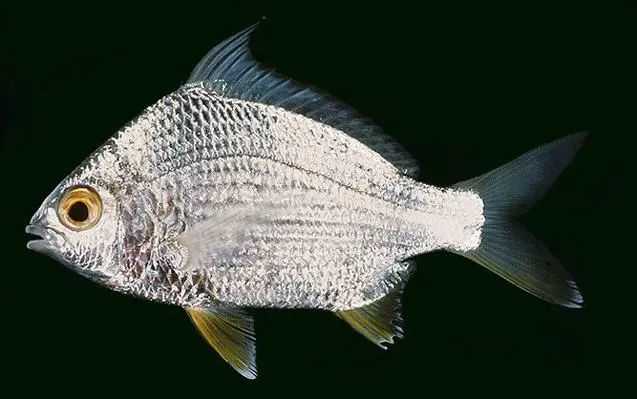
Sargocentron punctatissimum: The Black-Banded Soldierfish of Coral Reefs
Sargocentron punctatissimum, a striking species within the Holocentridae family, is commonly known by regional nicknames such as "golden scale armor" and "general’s armor," reflecting its vibrant appearance and robust structure. Inhabiting the warm tropical waters of the Indo-Pacific, this fish is characterized by a deep, laterally compressed body clad in large, rough scales with a bold red base color, accented by a prominent black horizontal band across its midsection and numerous small white spots, creating a visually striking pattern.
1 minute read
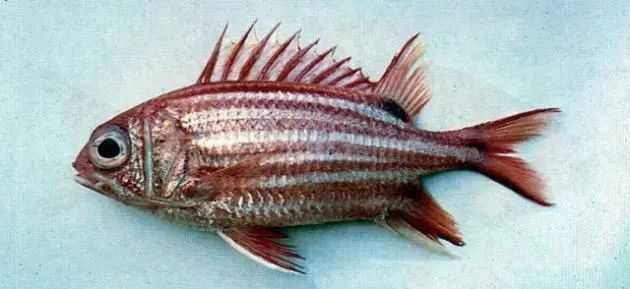
Rhynchopelates oxyrhynchus: The Sharpbeak Terapon of Asian Coastal Seas
Rhynchopelates oxyrhynchus, commonly known as the sharpbeak terapon, is a captivating species within the Terapontidae family, inhabiting the coastal waters of Asia. This ray - finned fish is celebrated for its unique appearance and ecological role in the diverse ecosystems of the Western Pacific.
2 minute read
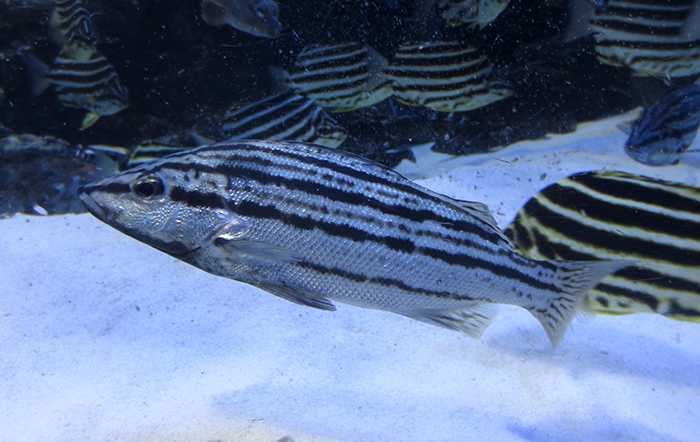
Equulites rivulatus: The Collared Ponyfish of Tropical Shores
Equulites rivulatus, commonly known as the collared ponyfish or neck-banded ponyfish, is a small, agile species within the Leiognathidae family, inhabiting the warm coastal waters of the Indo-Pacific region. Recognized by its distinctive neck band and streamlined form, this fish is a notable member of shallow marine and estuarine ecosystems, celebrated for its unique appearance and ecological role.
2 minute read
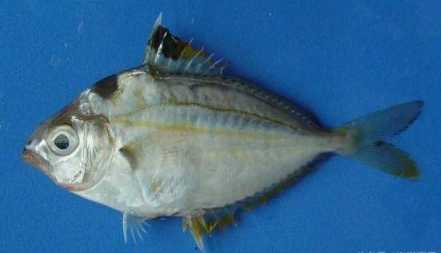
Leiognathus brevirostris: The Short-Snouted Ponyfish of Shallow Seas
Leiognathus brevirostris, commonly known as the short-snouted ponyfish, is a diminutive yet distinctive species within the Leiognathidae family. Inhabiting the warm, shallow waters of the Indo-Pacific region, this fish is celebrated for its unique physical characteristics and ecological significance in coastal and estuarine ecosystems.
2 minute read
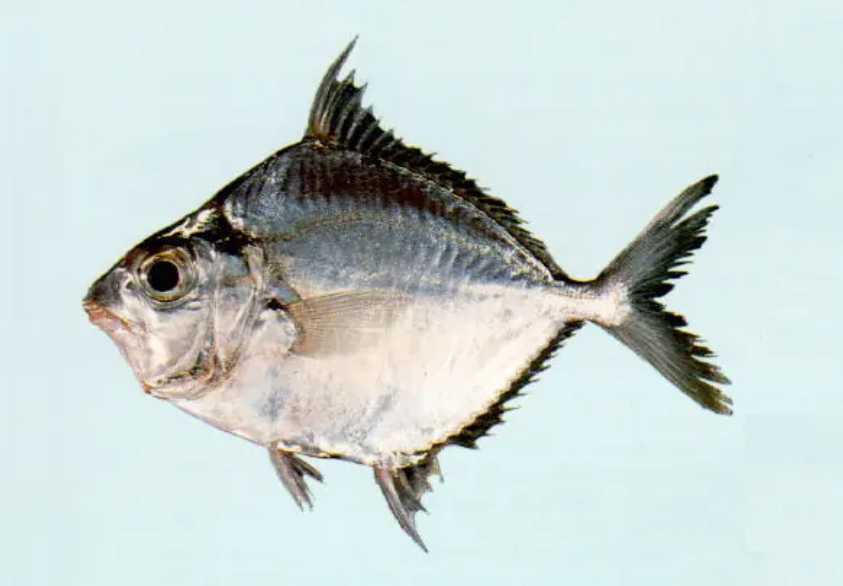
Venomous Predators of the Seas: The Stonefish and the Lionfish
Among the ocean’s most formidable and venomous inhabitants, the stonefish (Synanceia verrucosa) and the lionfish (Pterois volitans), often referred to as the "lady fish" and "gentleman fish" respectively, pose significant threats to marine life and humans alike. These species, renowned for their potent toxins and striking appearances, dominate coastal ecosystems with their lethal defensive mechanisms.
2 minute read
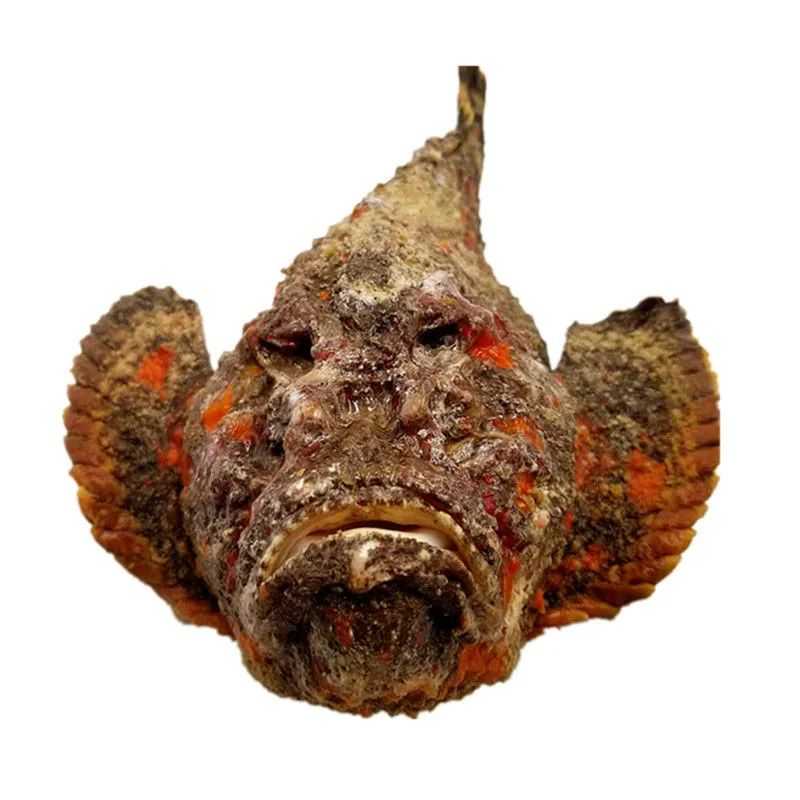
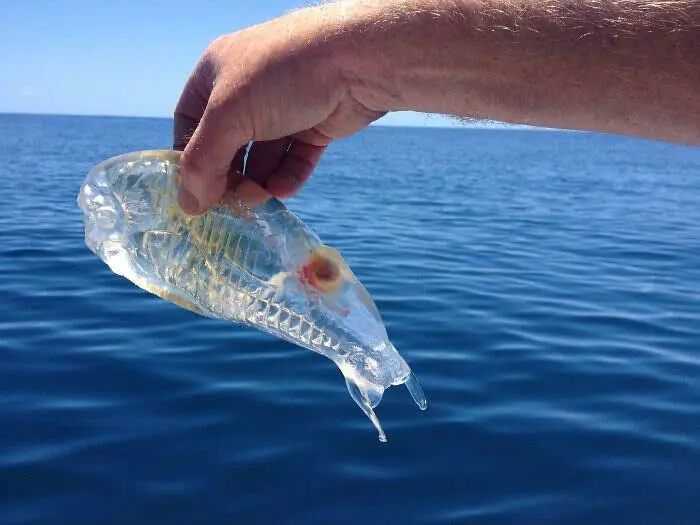
The Transparent "Sea Salp": Gelatinous Marvel Thriving in Frigid Southern Oceans
Often called the "transparent shrimp," salps are gelatinous marine tunicates renowned for their glass-like bodies, though they are not true shrimp but distant relatives of vertebrates. Primarily inhabiting cold, nutrient-rich waters, these filter feeders dominate the Southern Ocean around Antarctica, forming massive swarms that play a crucial role in global carbon cycling.
2 minute read
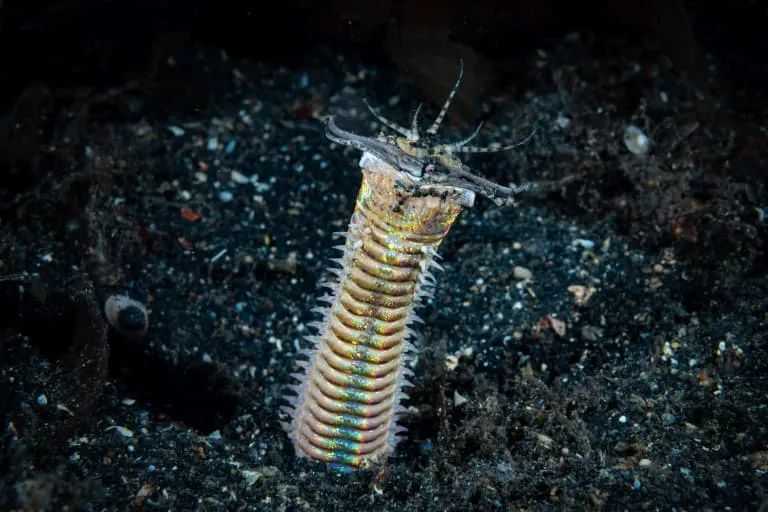
The Bobbit Worm: Nature’s Terrifying Underwater Predator Straight Out of a Sci-Fi Movie
Often described as the stuff of nightmares, the Bobbit worm (Eunice aphroditois) is a marine polychaete worm that has earned its reputation as one of the ocean’s most otherworldly creatures. With a body that can stretch up to 3 meters in length, this subterranean predator lurks in tropical and subtropical seafloors, blending scientific fascination with sheer terror.
2 minute read
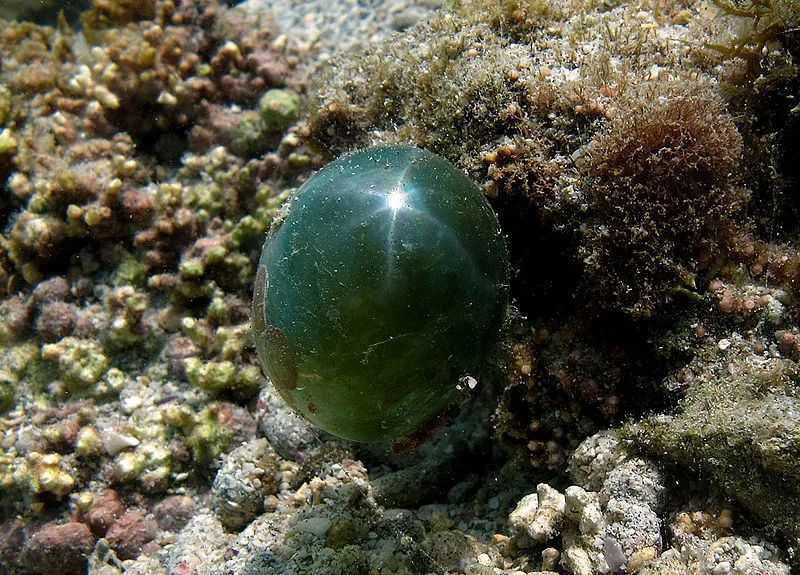
The Bubble Alga: Nature’s Giant Single-Celled Marvel Floating in Tropical Seas
Known as the "bubble alga" or "sailor’s eyeball," Valonia ventricosa is a remarkable marine alga and one of the largest single-celled organisms on Earth. Thriving in tropical and subtropical oceans, this spherical green alga has fascinated biologists for its unique structure—each "bubble" is a single cell that can grow up to 5 centimeters in diameter, defying conventional notions of cellular size.
2 minute read
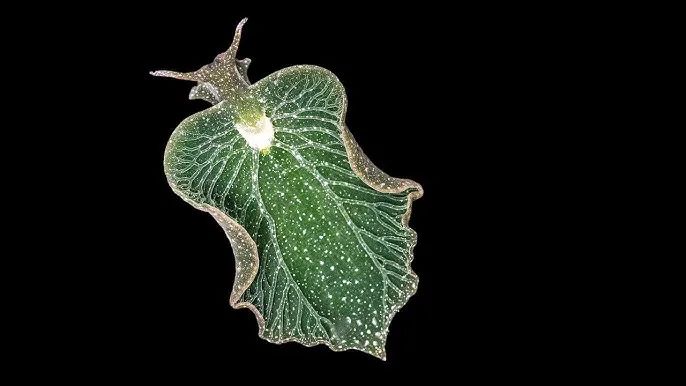
The Leaf Sheep Slug: Nature’s Photosynthetic Marvel That 'Steals' Chloroplasts to Survive
The leaf sheep slug (Elysia chlorotica), a marine gastropod, defies biological norms by hijacking chloroplasts from algae and using them for photosynthesis—allowing it to go 9 to 10 months without eating. This extraordinary ability, known as kleptoplasty, has made it a celebrity in the scientific world, blurring the line between animal and plant.
1 minute read
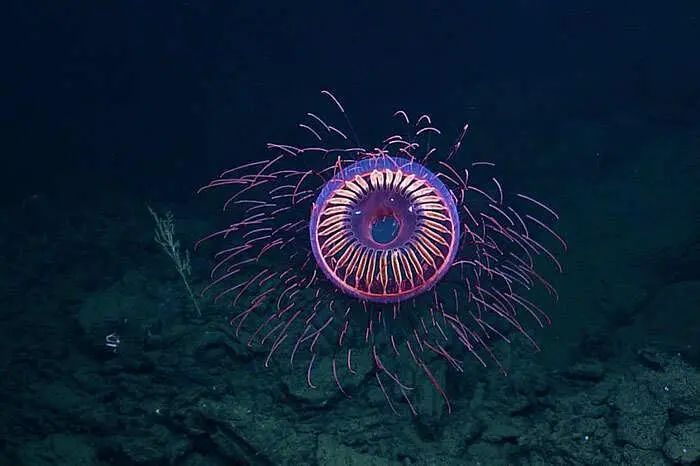
The Fireworks Jellyfish: Deep-Sea Marvel Illuminating 1,200–1,500 Meters Below the Surface
Discovered in the pitch-black abyssal zone, the fireworks jellyfish (Halitrephes maasi) earns its name from its spectacular bioluminescent display—vibrant orange and pink tentacles that explode like celestial pyrotechnics in the ocean’s darkest depths. Thriving between 1,200 and 1,500 meters, this gelatinous creature has captivated marine biologists with its otherworldly appearance and mysterious life cycle.
2 minute read
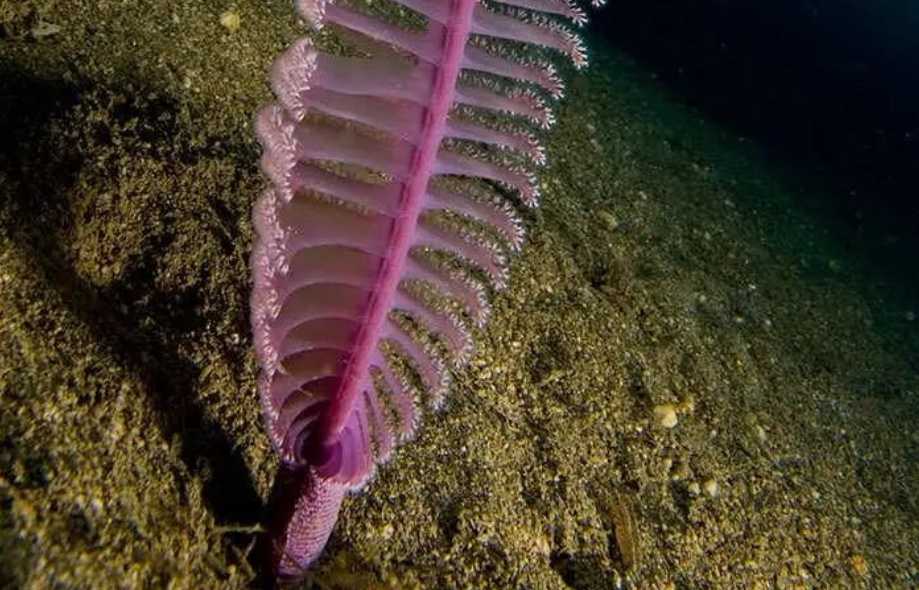
The Sea Pen: Ocean’s Feathery Colonial Wonder Filtering Plankton from the Depths
Recognized for its striking resemblance to a quill pen, the sea pen is a colonial marine invertebrate that thrives in shallow to deep ocean waters. Composed of hundreds to thousands of polyps, these colonial organisms form feather-like structures, using their unique anatomy to capture plankton and thrive in diverse marine environments.
2 minute read
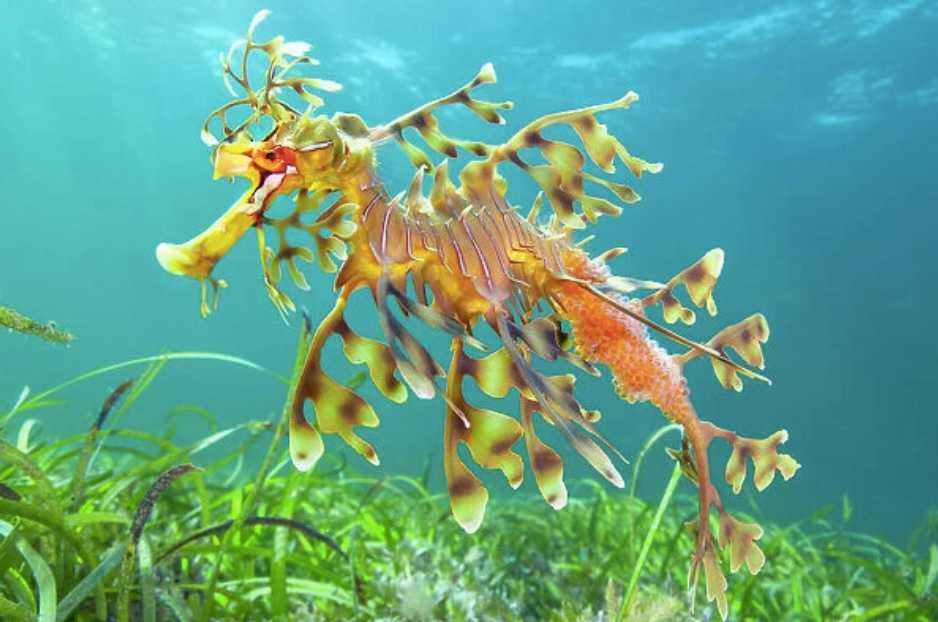
The Leafy Sea Dragon: Master of Marine Camouflage from Australia’s Coastal Waters
Belonging to the genus Phycodurus within the seadragon family (Syngnathidae), the leafy sea dragon is a remarkable fish adapted to life along the southern and western coasts of Australia. Recognized for its elaborate leaf-like appendages, this species has evolved one of nature’s most extraordinary camouflage strategies, blending seamlessly with oceanic vegetation.
2 minute read
The Skeleton Panda Sea Squirt: A Quirky Marine Marvel
The skeleton panda sea squirt (Clavelina ossipandae) is a newly discovered marine species that has taken the scientific world by storm.
1 minute read