Australian Dragonfly: The Speedy Giant of the Insect World
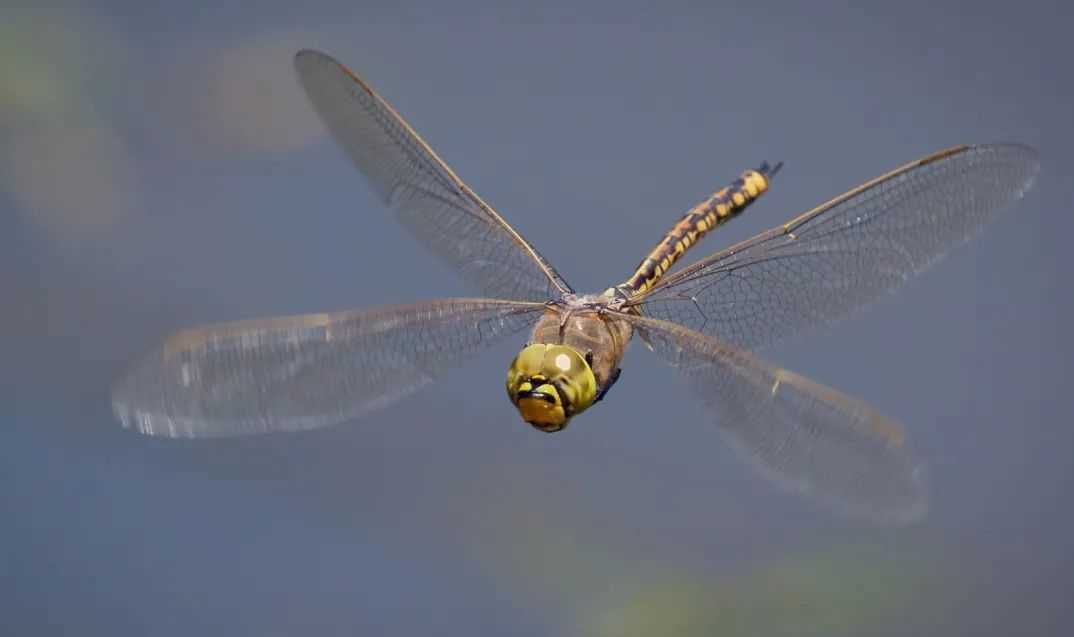
The Australian dragonfly (Austrophlebia costalis), renowned as one of the fastest insects on Earth, boasts a breathtaking short - distance sprint speed of up to 58 kilometers per hour. As the largest among the 5,000+ dragonfly species, this majestic insect stretches up to 12 centimeters in length, blending imposing size with unparalleled aerial agility.
1 minute read
Bat Moths: A Diverse and Prolific Insect Group
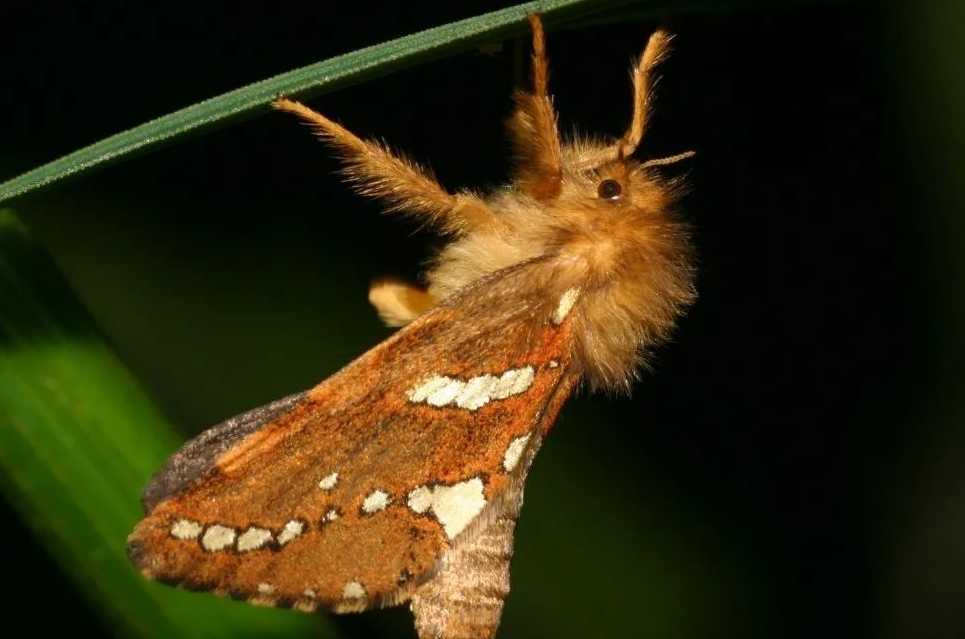
Bat moths belong to the genus Hepialus in the family Hepialidae. They are a group of insects with remarkable reproductive capabilities. A female bat moth can lay more than 2,900 eggs, which is quite prolific among insects.
2 minute read
Chironomids: The High - Speed Wing Beaters of Aquatic Ecosystems
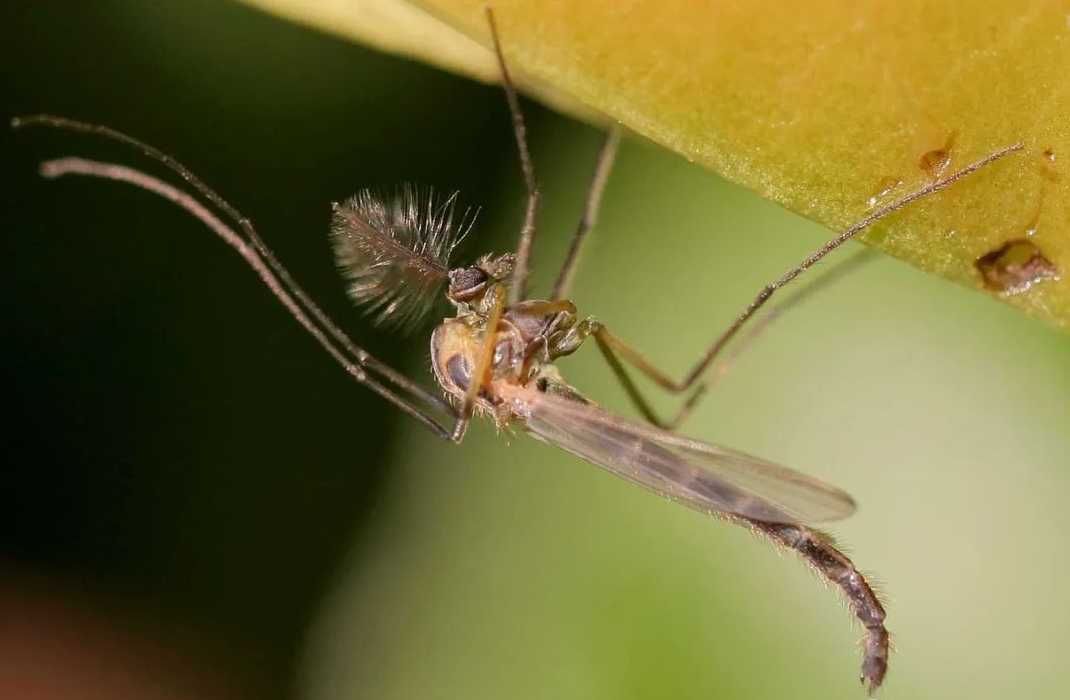
Chironomids, commonly known as non - biting midges, rank among nature’s most astonishing wing beaters, with estimates showing they can flap their wings up to 63,000 times per minute. This incredible frequency, almost too rapid for the human eye to track, highlights their unique adaptation to aquatic environments. Yet their physiological resilience is even more remarkable: when the wing tips are truncated and they’re placed in a warm environment of 99°F (约 37.2°C), their wing beats can surge to a staggering 130,000 times per minute, a testament to their muscular and neural efficiency.
1 minute read
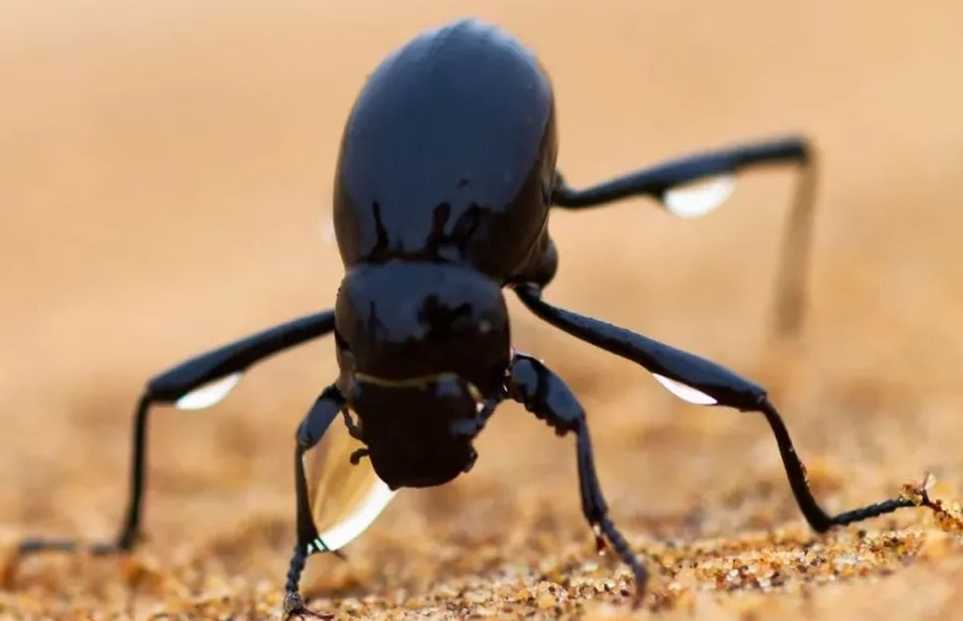
The Namib Desert Beetle (Stenocara gracilipes): Nature's Master of Fog Harvesting
The Namib Desert beetle, Stenocara gracilipes, stands as a testament to evolutionary adaptation in one of Earth’s harshest environments. This coleopteran insect, endemic to the Namib Desert of southwestern Africa, has evolved a remarkable survival strategy: harvesting fog droplets through its uniquely textured elytra, a trait that has inspired groundbreaking biomimetic water-collection technologies.
2 minute read
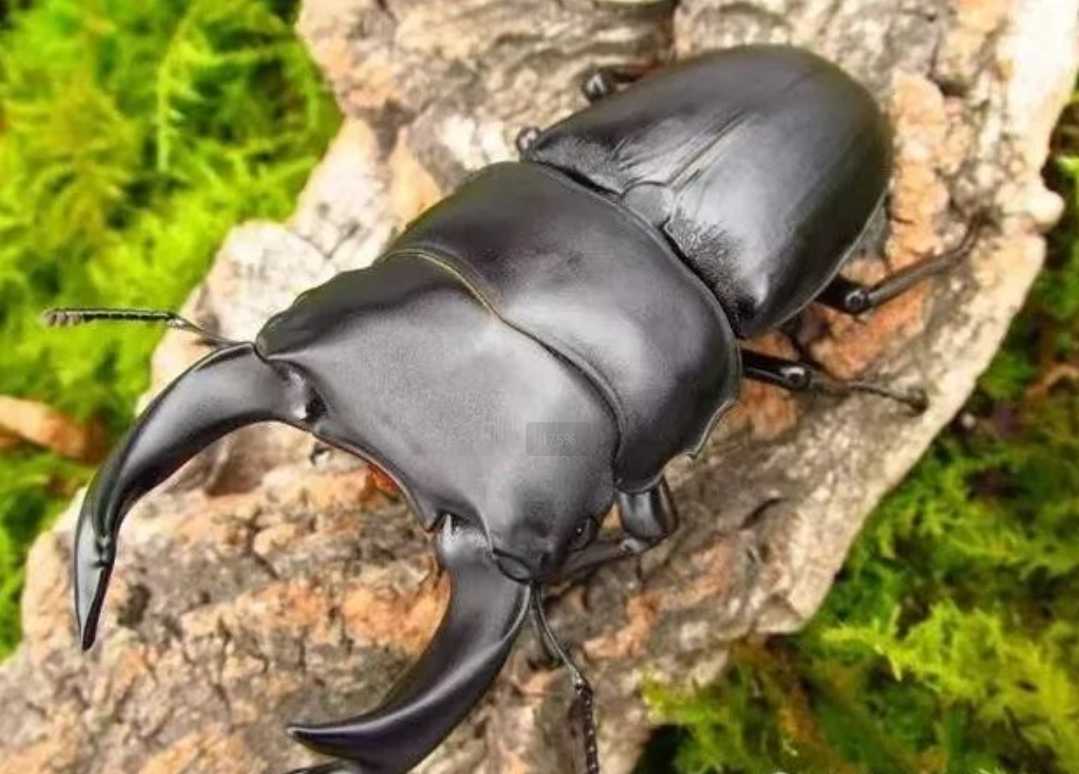
The Stag Beetle (Lucanidae): Nature's Antlered Warriors and Silent Engineers
Stag beetles, members of the family Lucanidae, are iconic insects celebrated for their dramatic sexual dimorphism—nowhere more evident than in the antler-like mandibles of males, which can exceed body length in some species. With around 1,200 known species globally—50 of which are endemic to Taiwan—these beetles blend martial prowess with ecological utility, thriving in forest ecosystems where their larvae feed on decaying wood.
1 minute read
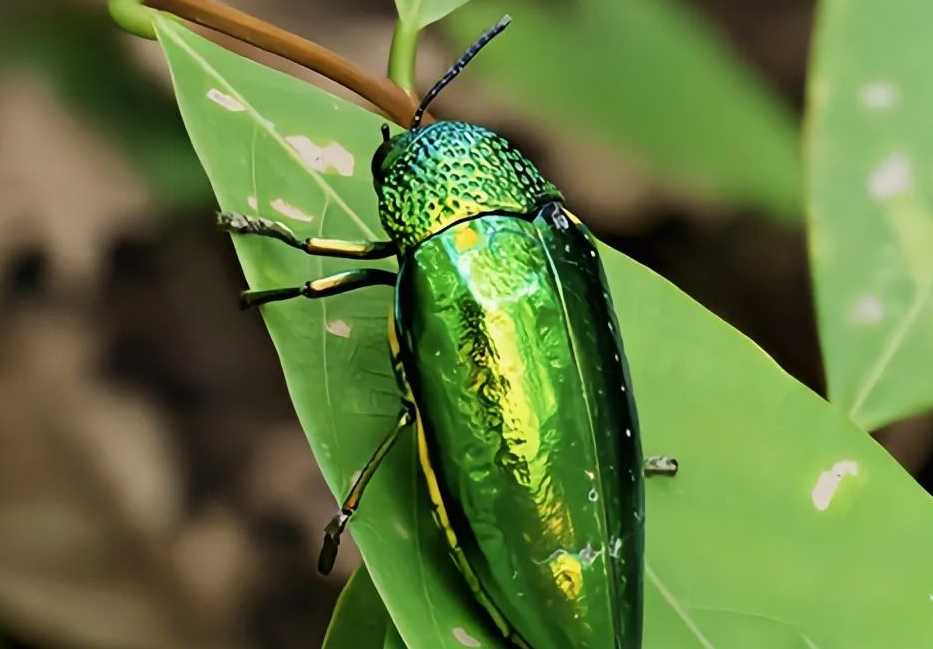
The Jewel Beetles (Buprestidae): Nature's Iridescent Gems
Jewel beetles, members of the family Buprestidae, are renowned for their exoskeletons that shimmer with metallic hues resembling emeralds, sapphires, and gold. This optical marvel arises from structural coloration—microscopic layers on their elytra that refract light, creating vibrant, fade - resistant iridescence. Found across Asia, Africa, and the Americas, these beetles have captivated humans for millennia with their gem - like appearance.
2 minute read
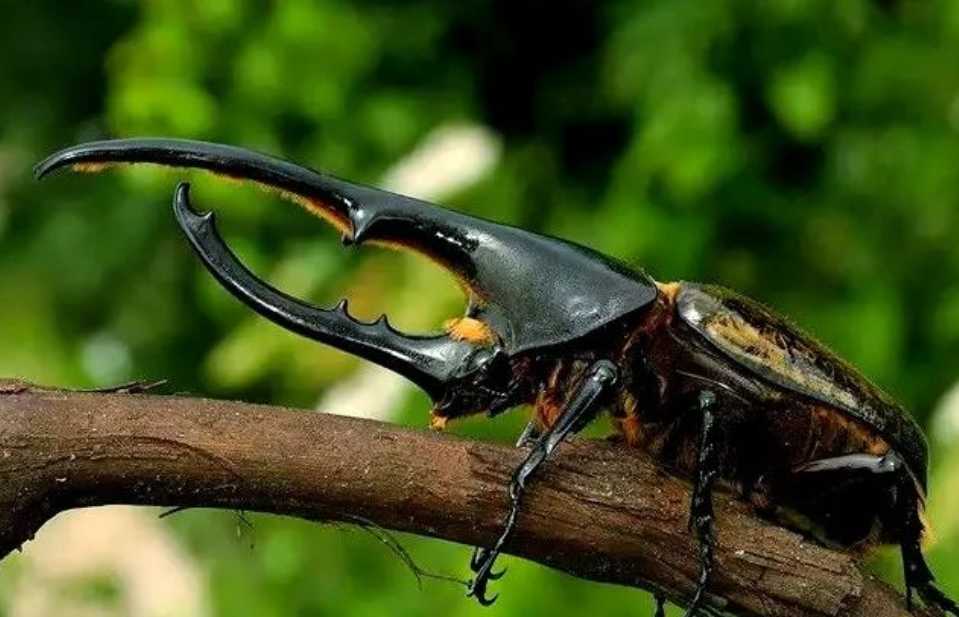
The Hercules Beetle (Dynastes hercules): The Insect World's Colossal Titan
The Hercules beetle, Dynastes hercules, reigns as one of the longest beetles on Earth, captivating observers with its imposing size and extraordinary strength. Native to the rainforests of Central and South America, this scarab beetle earns its name from the mythological hero, boasting a pair of horns that define its iconic appearance and earned it the title "Hercules of the Insect World."
2 minute read
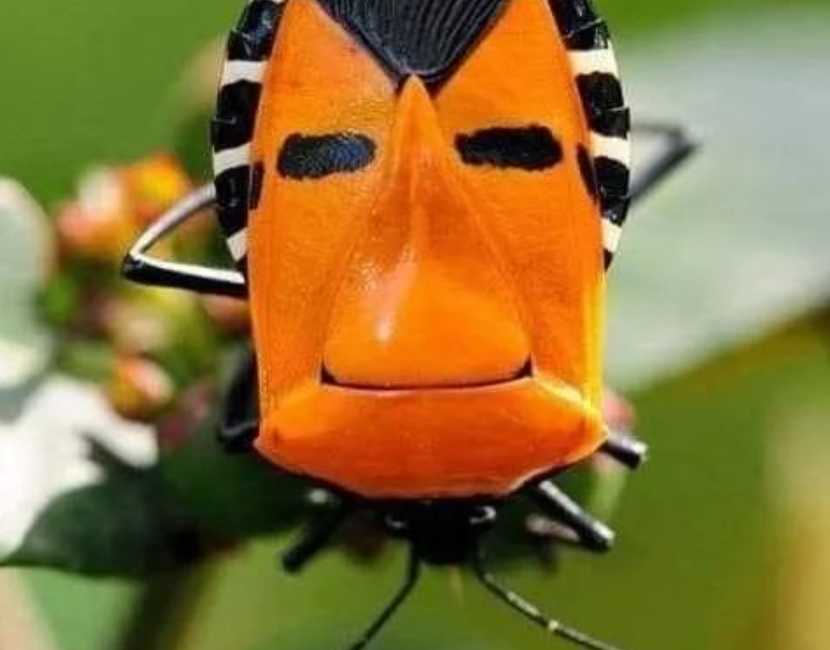
The Face Bug (Auchenorrhyncha: Proconiini): Nature's Cryptic Portraitists of Southeast Asia
The face bug, a member of the Proconiini tribe in the hemipteran suborder Auchenorrhyncha, earns its name from a remarkable evolutionary trick: the dorsal surface of its thorax and abdomen resembles a human face, complete with "eyes," "noses," and even "mouths." Native to the tropical forests of Southeast Asia, these insects showcase nature’s most whimsical form of mimicry, with each individual sporting a unique facial pattern that defies repetition.
2 minute read
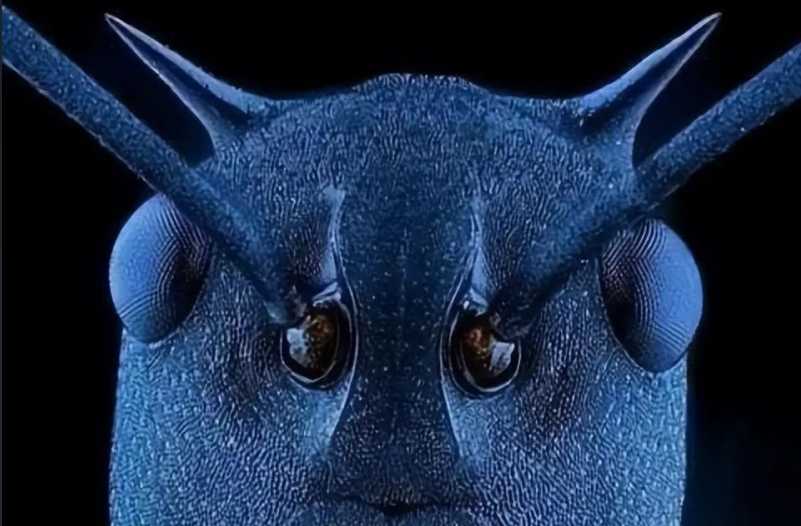
Ants' Facial Close - ups: Uncovering the Expressive Faces of Tiny Insects
Ants, those ubiquitous tiny creatures, have always been a common sight in our daily lives. However, recent close - up photography has revealed a surprising fact: ants seem to have expressions. These detailed images capture the nuances of their faces, showing features that give the impression of different emotions.
1 minute read
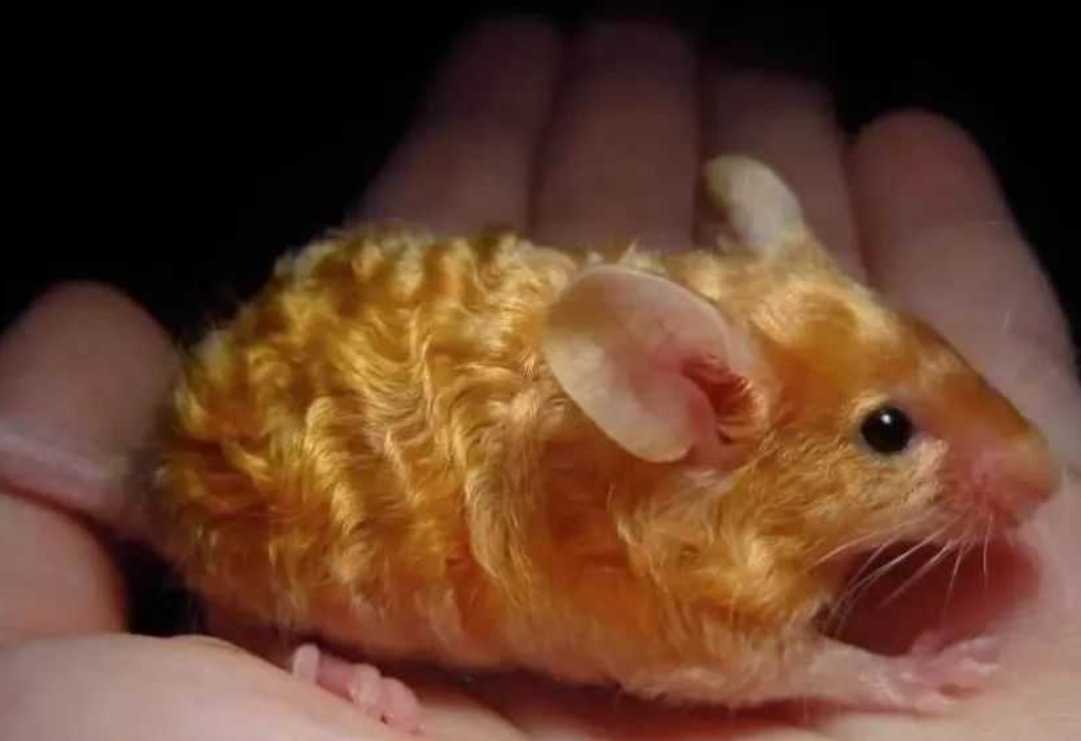
"Blonde" Big - Wave Rats: A Marvel of Genetic Modification
In a recent scientific breakthrough, researchers from MIT have successfully created "blonde" big - wave rats through genetic modification. This remarkable achievement builds on the work of nine different research groups from 1993 to 2015, each having identified genes related to hair changes in mice.
1 minute read
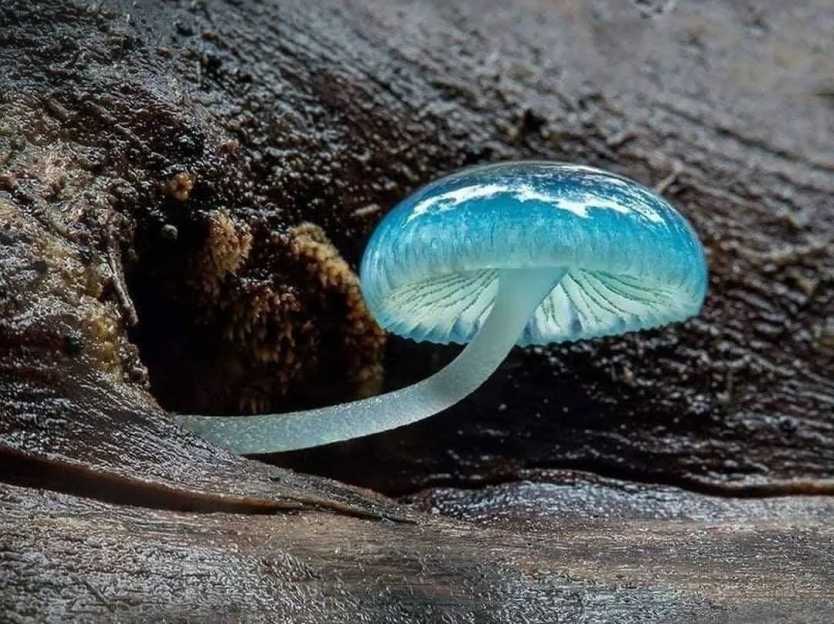
Crystal - clear Blue Mushrooms: A Captivating Natural Wonder
In nature, there exists a kind of crystal - clear blue mushroom that never fails to draw people's attention. The scientific name of this mushroom is Mycena interrupta, and it also goes by the aliases of Fairy - blue Mushroom and Sky - blue Mushroom. It belongs to the large fungi of the genus Mycena in the family Mycenaceae of the order Agaricales.
1 minute read
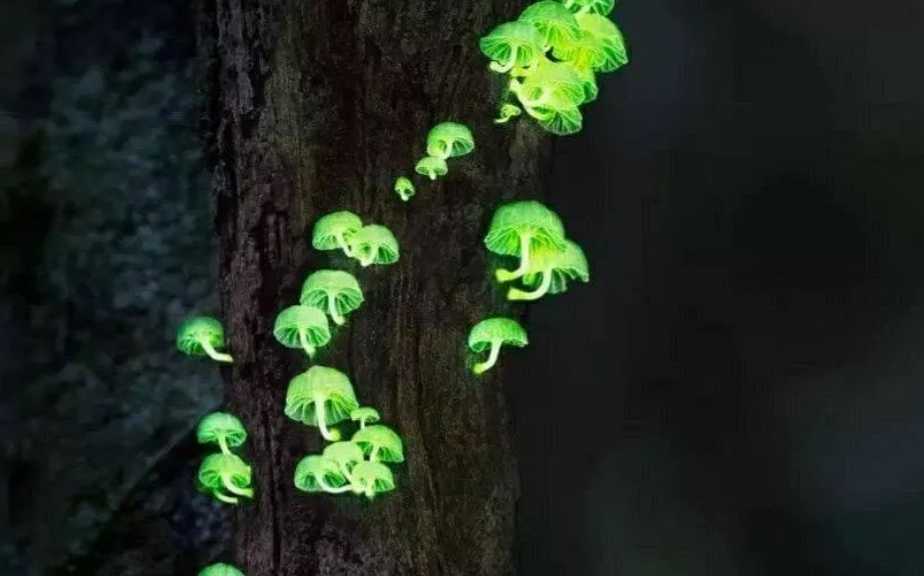
Mushrooms That Glow at Night: A Mysterious and Beautiful Natural Phenomenon
In the mysterious world of fungi, there exists a group of mushrooms with a unique ability - they can glow in the dark, creating a captivating and otherworldly scene.
1 minute read
The Unusual Tree: Trees That Bloom Directly on the Trunk
In nature, there are some unique trees that bloom directly on their trunks, challenging the common perception of plant growth.
1 minute read

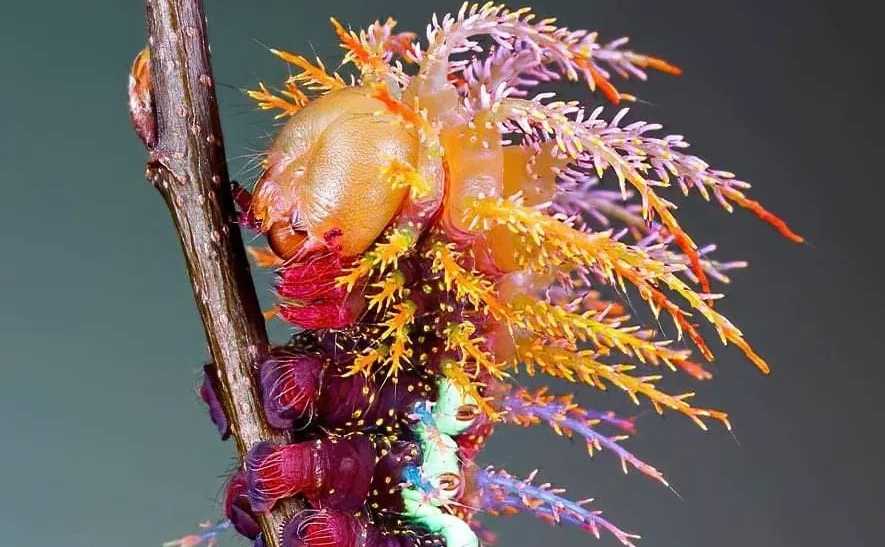
Vibrant Purple Caterpillar Sparks Wonder: What Will Its Butterfly Form Look Like?
A striking purple caterpillar recently spotted in a Costa Rican rainforest has captivated entomologists and nature enthusiasts alike. The creature, with its vivid hue and unique texture, has sparked curiosity about the transformation it will undergo into an adult butterfly.
1 minute read
Satanic Leaf-Tailed Gecko: Nature's Master of Dead Leaf Mimicry
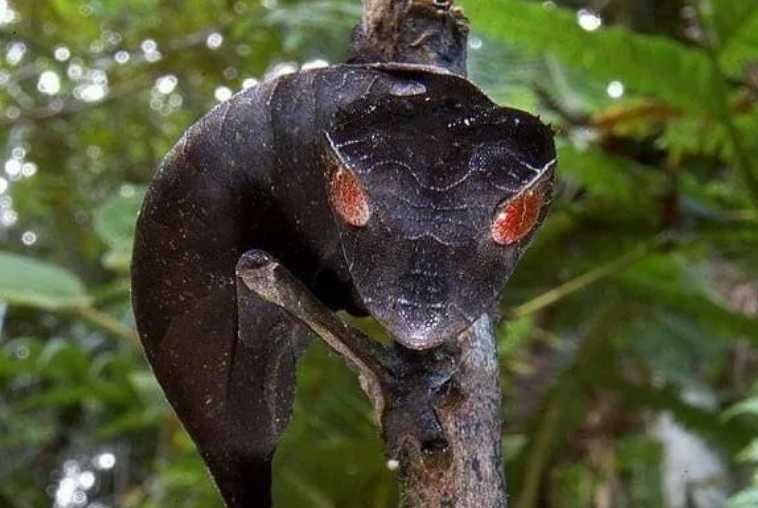
In the dense rainforests of Madagascar, a remarkable reptile demonstrates nature’s most astonishing camouflage: the Satanic leaf-tailed gecko (Uroplatus phantasticus). Renowned for its uncanny resemblance to a dried, withered leaf, this gecko has evolved the perfect disguise to vanish into its forest habitat.
1 minute read